
Get Inspired
Dive into our smart design tips and decor gallery for fresh ideas. Not to toot our own horn, but we’ve styled these Tempo homes to perfection. Get inspired—your future home is waiting for you!
Making your new home beautiful.
Decorating a new home can be intimidating. But with finished accent walls, light fixtures, and other standard features that make Tempo Homes really sing, you’re off to a great start. And with the tips below? You’re onto something.
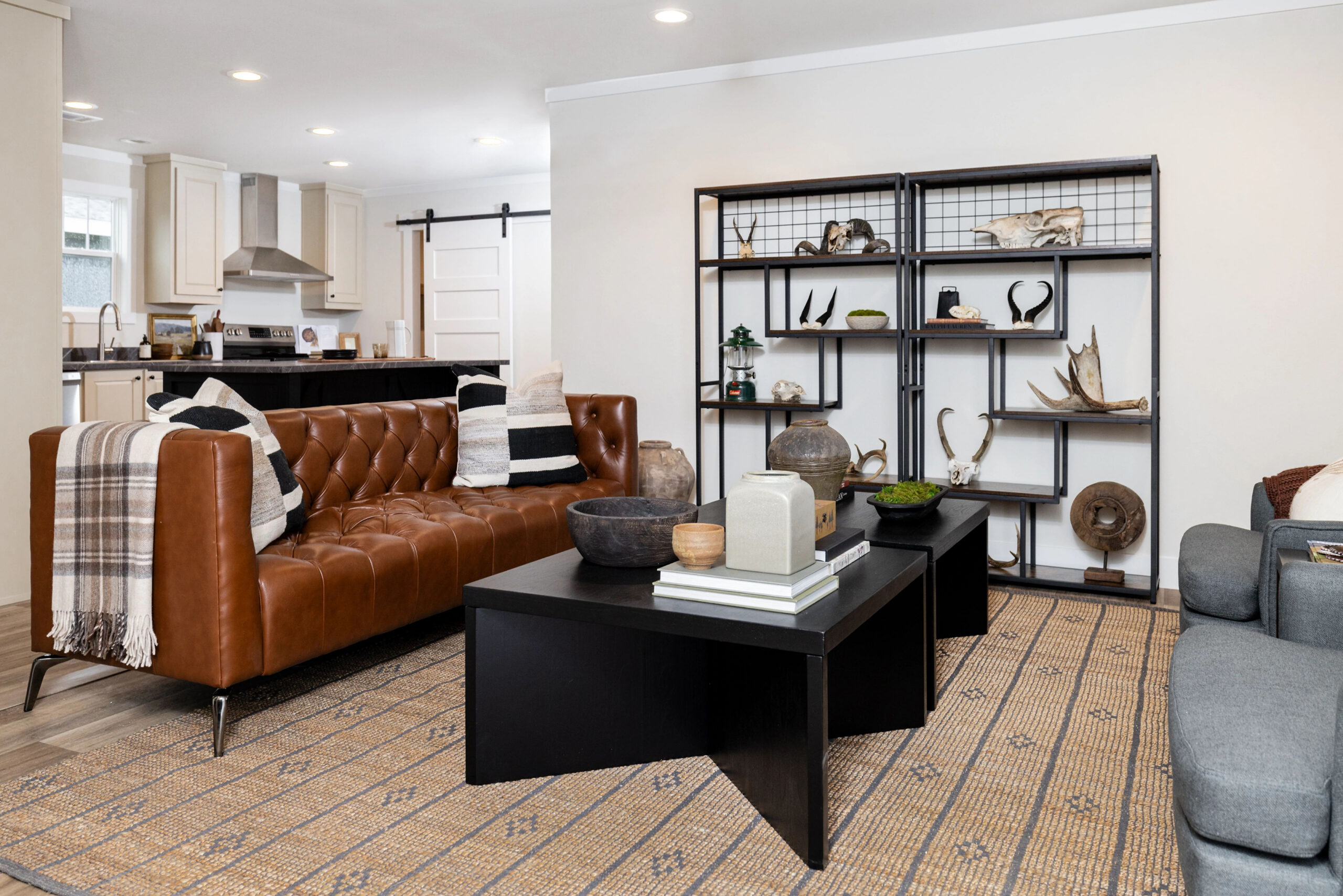
Focus on: Furniture Placement
Furniture placement is like the bassline of a song. The largest, loudest pieces in the room set the structure, and lay the foundation, for everything else—from conversation to feng shui (we didn’t sneeze, feng shui is a way of designing your environment). Here are some pro furniture placement tips, made easy enough for all of us non-pro’s to understand.
1. Make room to talk.
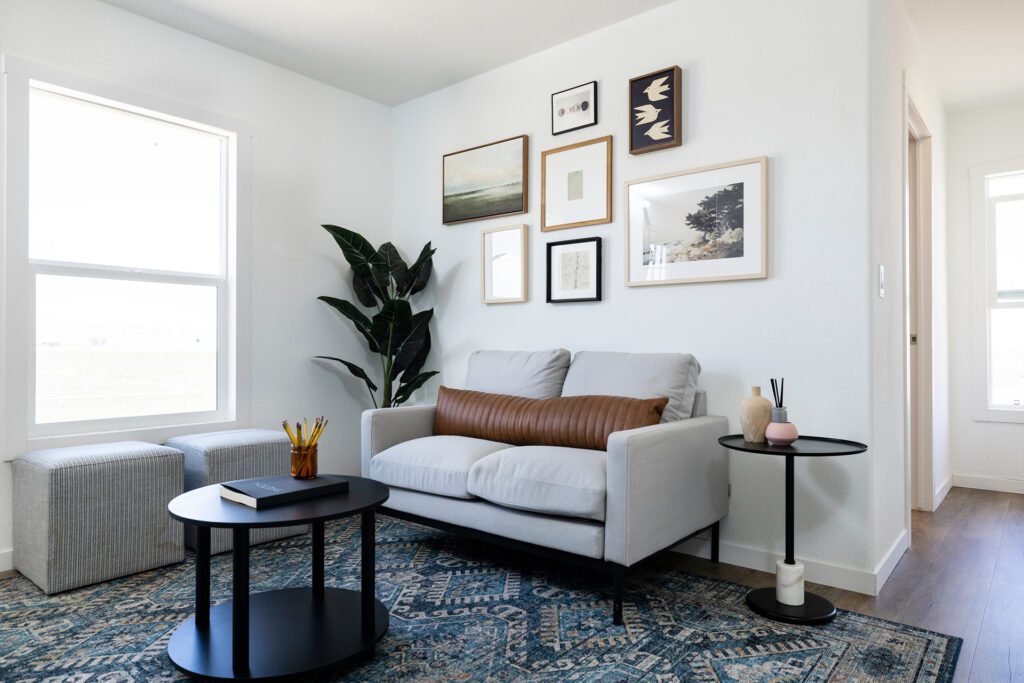
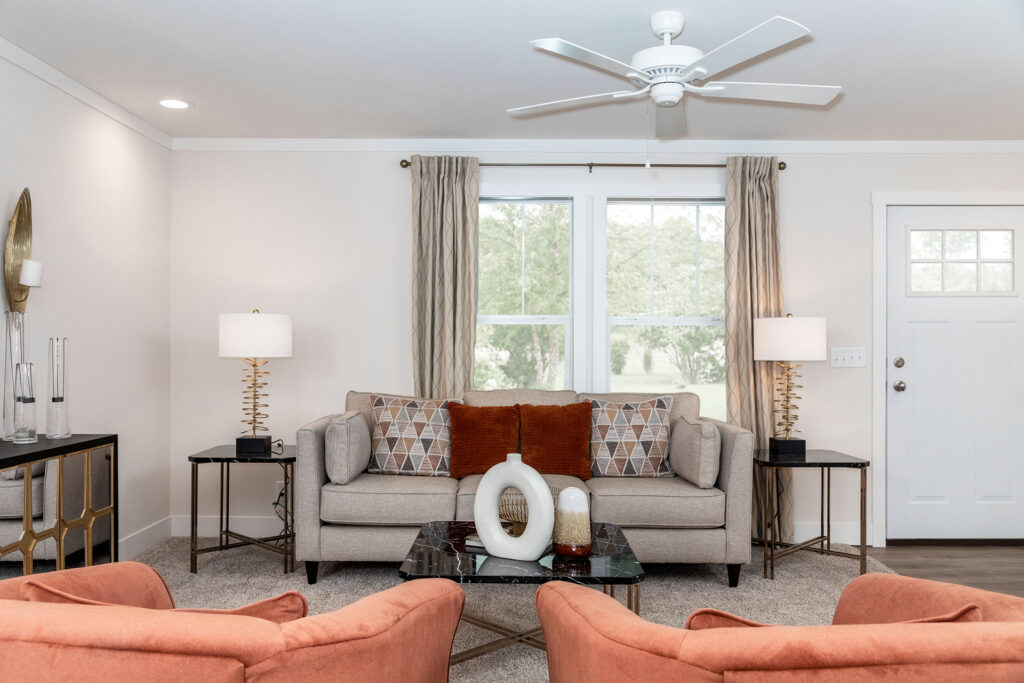
Living rooms are for lounging, tv-watching, and our favorite: Conversation. In this space where friends and family will gather and talk, arrange your living room sofa and chairs (or sofa and loveseat) no more than 8 feet apart, and keep your seating facing each other. Ideal for chit-chat, and for kicking back.
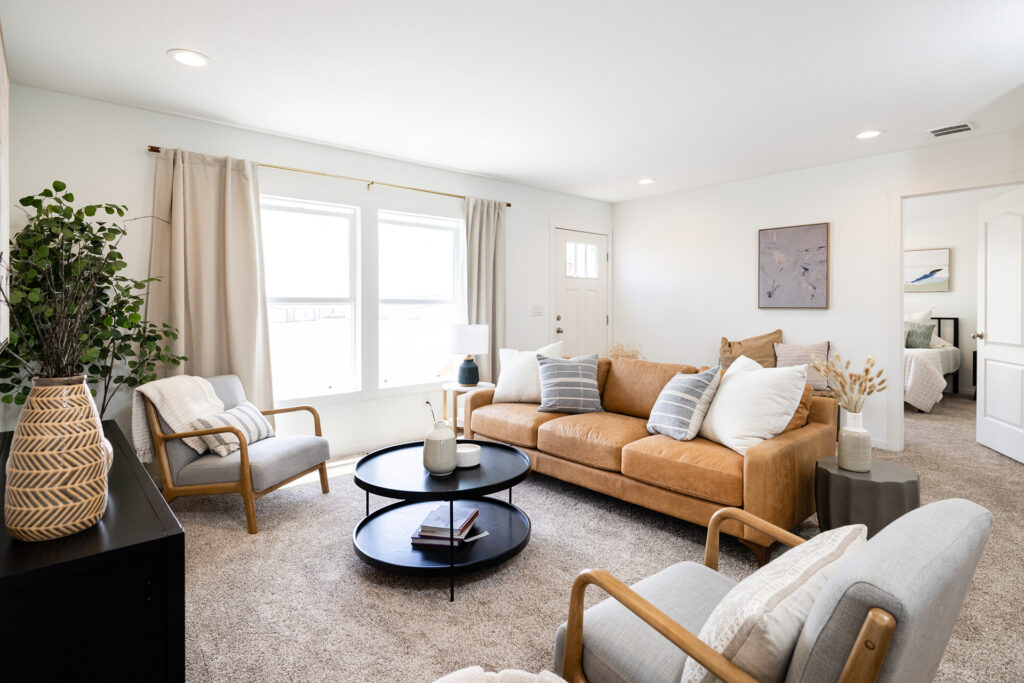
2. Allow flow space
In your dining room, it can be tempting to put a table against the wall to create more open space. But the pro move is to center your dining room table in the space. This allows room for pulling every chair in and out, forming a buffet line, and refilling or taking plates from those enjoying a meal. Allow at least 36 inches between the table and walls on all sides to go (and eat) with the flow.
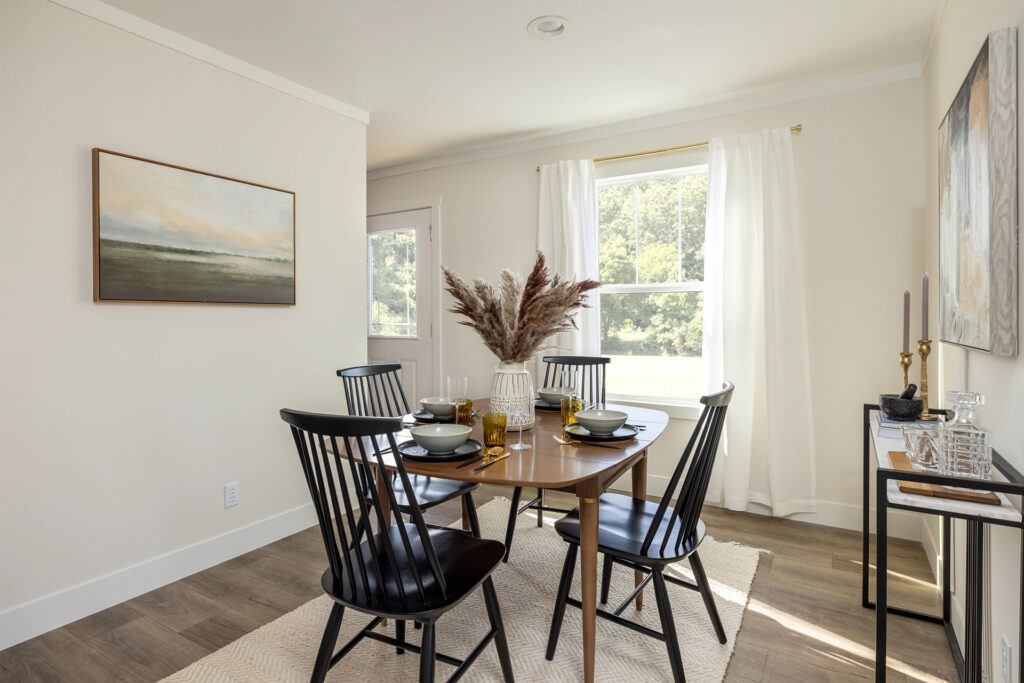
3. Create clear focus
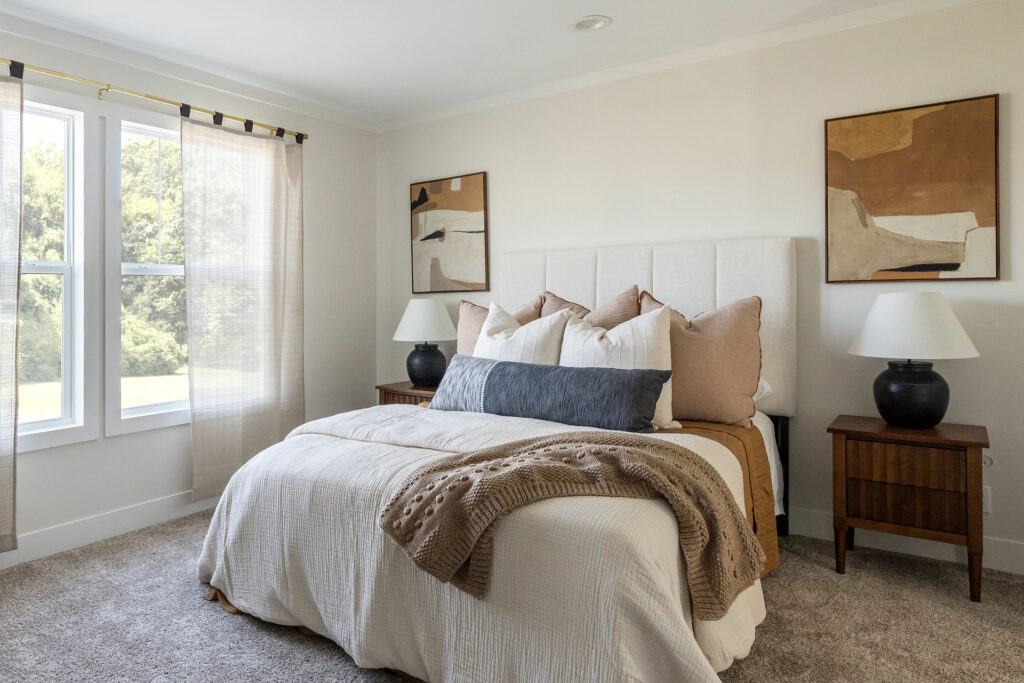
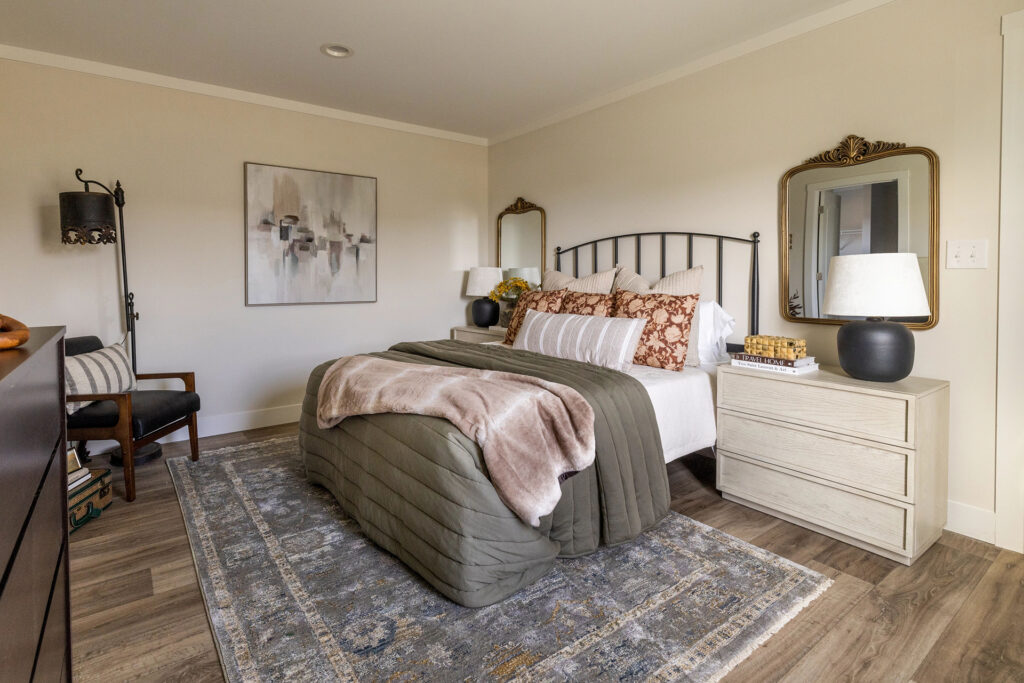
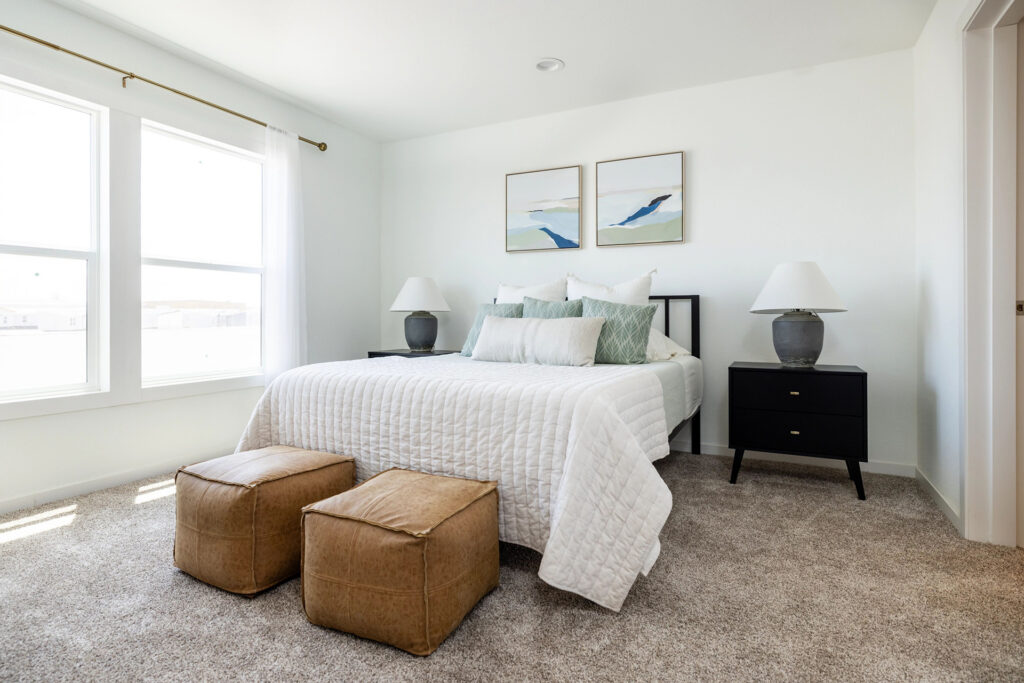
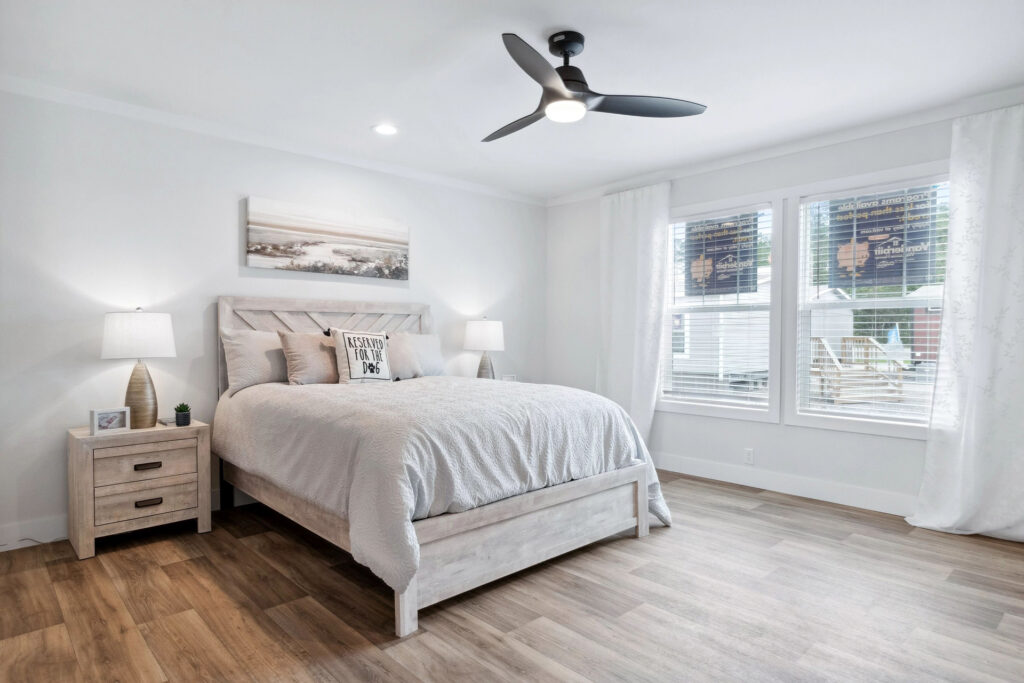
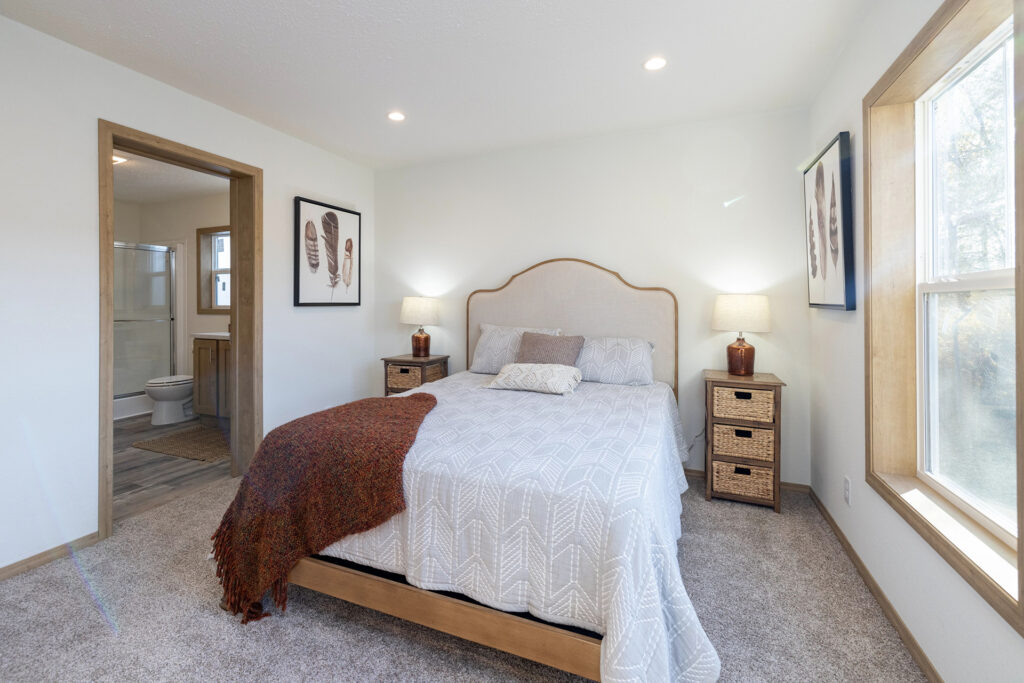
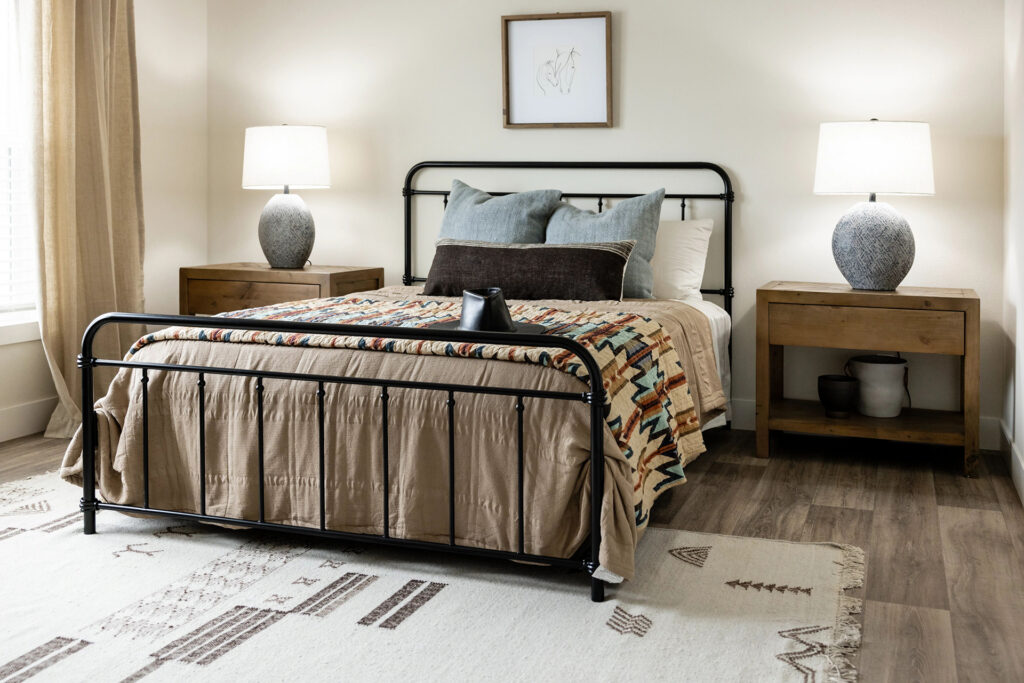
Because the bed is the biggest (and most important) piece of furniture in any bedroom, make the bed your focal point. Center it in the room and arrange nightstands, tv stands, and any other furniture around the bed’s centered placement. Keeping your sleep space visually relaxing is one key to being able to, well, actually relax.
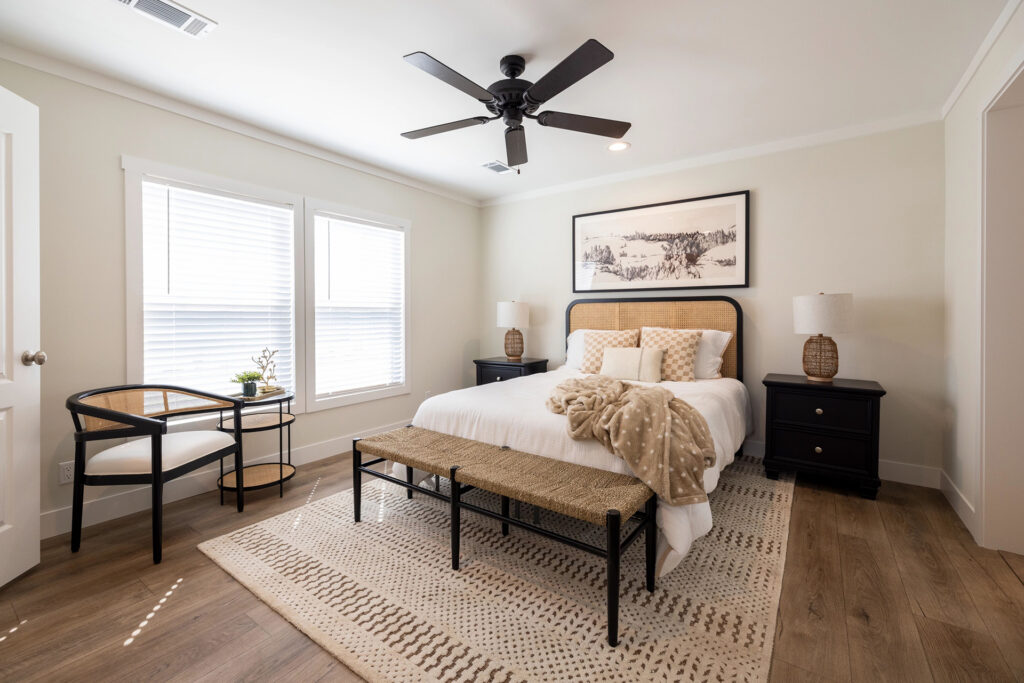
4. Frame the room.
Picture frames can make or break a picture. Framing is a technique you can also use to make all the difference in your living room or bedroom. Use the perimeter of the room to line up additional seating and tables to give the room a cozy, intentional feeling. And, to give the people in the room plenty of places to sit and get comfortable.
Focus on: design fundamentals
Design is more than good style and great accents. It’s the big picture—from how a room comes together to how that room serves your family’s needs. No matter which room you’re decorating, with a few design fundamentals up your sleeve, you’ll know where to start, how to finish, and when you’re done. With one exception: For those who like to change things up often, there is no done. And that’s ok too.
1. Find your design style
From modern to farmhouse to traditional, there’s a design style for everyone and every room. And every Tempo Home is a well-finished blank slate, ready to adapt to any (and every) design style you bring to the table. While not every room needs to subscribe to one style, we do recommend getting a good idea of what styles make you feel most at home. Knowing the style(s) you’re after will guide more detailed choices like paint color, furniture, and decor selection. Knowing your preferred style(s) can also cut down on impulse buys and decisions that can leave you with rooms that feel a little all over the place instead of grounded and calming.
2. Decide the function of the room
Not all living rooms are created equal. Yours may double as a kids’ playroom (what living room doesn’t!), a workout studio, or even part home office. Before you can design and furnish any room, you’ll want to get clear on what activities you and your family will do in this space. Same goes for flex spaces, which can be designed and styled as anything from a dining room to a personal hobby room like a painting studio. Set clear intentions around every room before you start making design decisions to save yourself time in the long run.
3. Choose your paint colors
Walls take up a lot of space so they command our attention. Deciding your wall colors should serve both your design style and the rooms’ function. For example, if you prefer more modern design and you’re designing your bedroom, a muted, rich, deeper tone of blue could provide a relaxing backdrop for neutral furniture and pops of color. Similarly, neutral tones on walls are super relaxing, and provide an open-canvas backdrop for almost any design style. If you like to change things up often, neutral walls are your friend.
Visit these Clayton Studio articles for more on current design trends and choosing paint colors.
4. Select your furniture
You may already have furniture. Or, you may need a new piece or two to make your new Tempo Home work. Either way, look for pieces that are timeless and honor your design style. Trends can be fun, but choosing investment pieces like furniture based on trends can leave you with a couch, rug, or chairs that feel outdated (or that you just feel tired of seeing) only a few years from now. Investing in pieces that fit your style, your family’s durability needs, and that will withstand the passage of time and changing trends will always be your best bet.
Like furniture that’s the opposite of what your spouse or partner likes? Clayton Studio has tips on how to decorate as a couple.
5. Coordinate fabric patterns
From rugs and upholstery to pillows and curtains, the places for patterns are many. When it comes to mixing prints like checks and stripes, for example, try to keep patterns within the same color family, which will tie them together. Overall, you don’t want too many different patterns, or this can cause visual chaos, which won’t be pleasing or relaxing to the eye. If patterns are your preference, try to keep a few solids or simple, subtle patterns in the mix for balance. If you’re more of a maximalist, then you already know: Almost anything goes. Almost.
6. Add texture
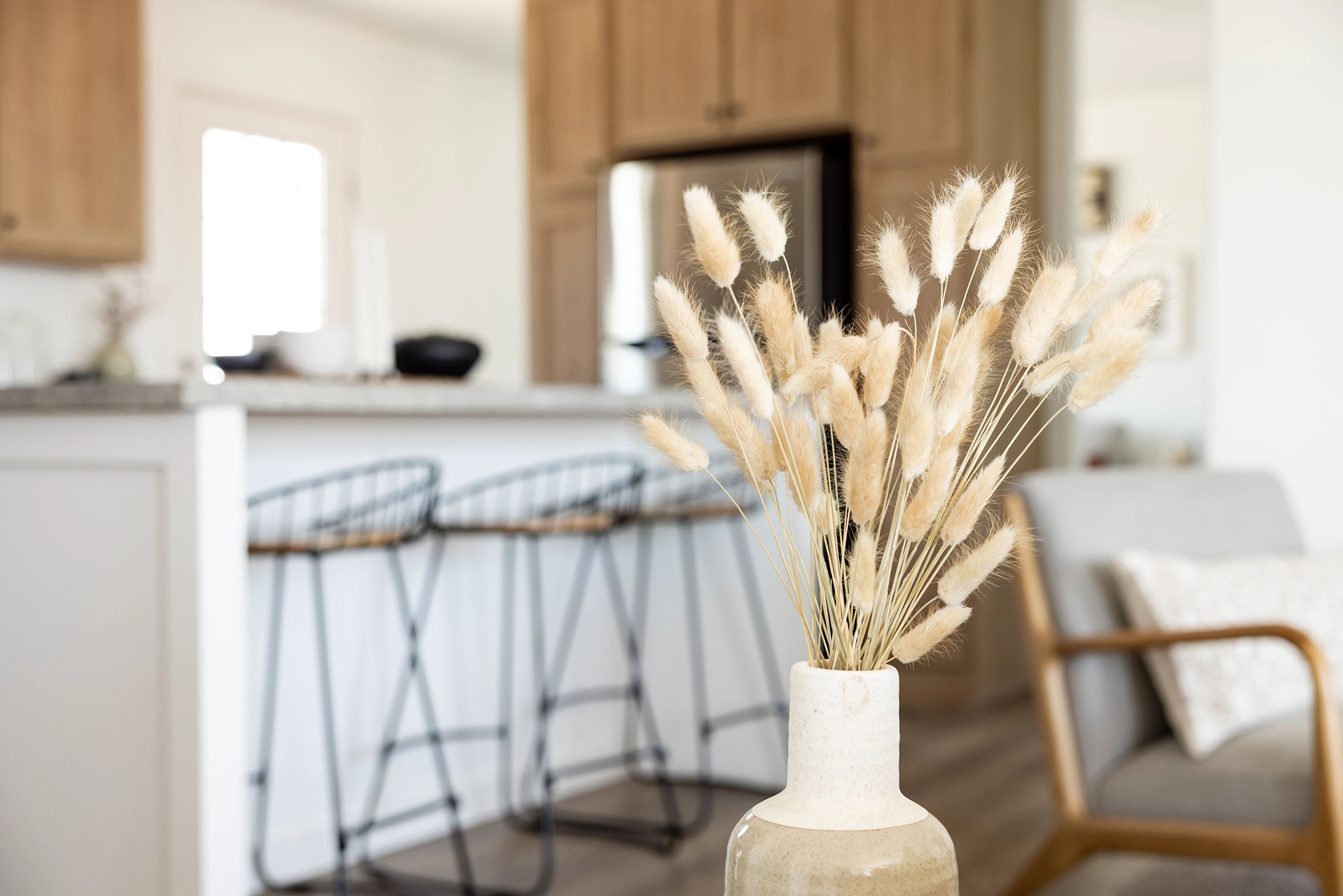
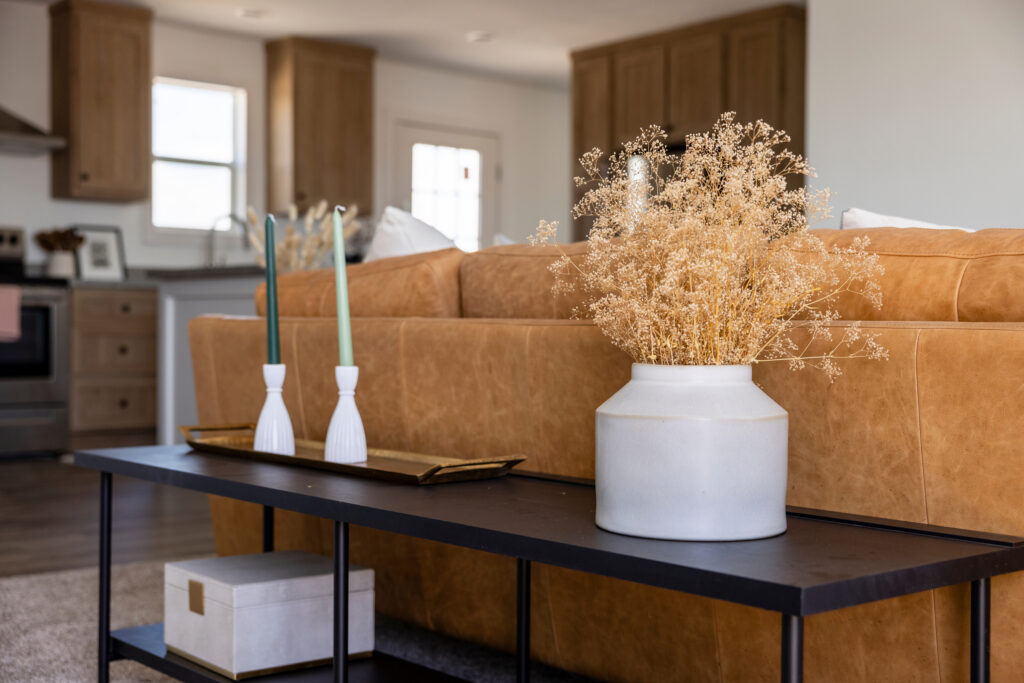
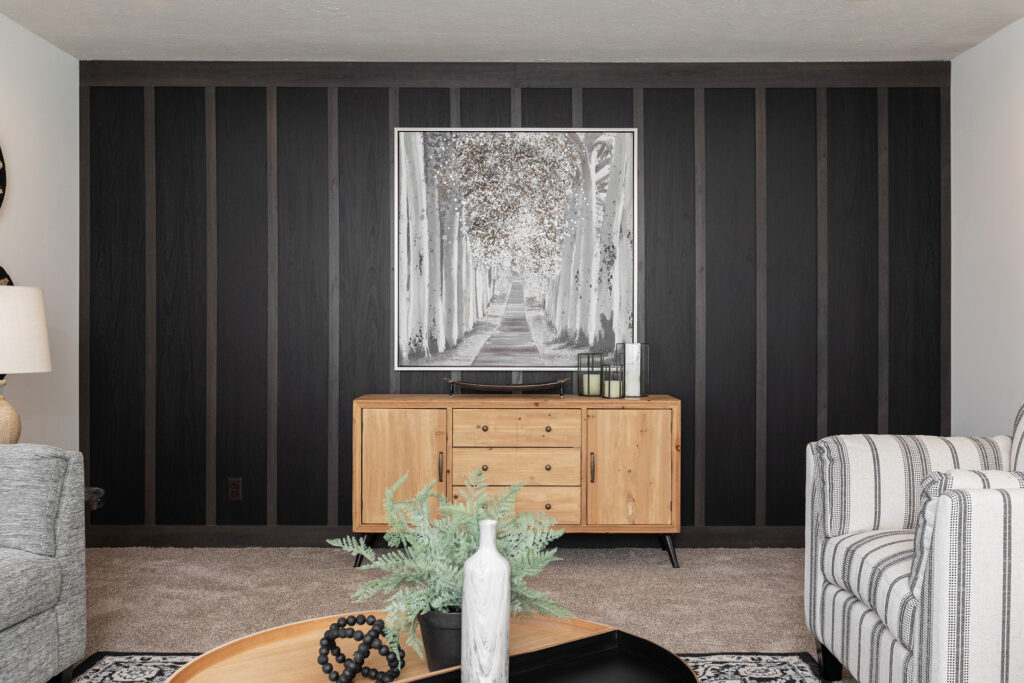
Every room needs a little depth here and there. From filling an empty corner with greenery to placing an interesting, eye-catching sculptural piece on a bookshelf, side table, or mantle, texture helps rooms feel warm, inviting, and alive. Clayton Tempo Homes include an optional living room accent wall upgrade that automatically brings texture to the party. In spaces like bathrooms and bedrooms, fabrics like throw blankets, pillows and curtains are opportunities for adding visual interest and warmth.
Plants are a perfect way to add texture. Visit our Clayton Studio room-by-room guide to decorating with plants to grow your own indoor and outdoor eye candy.
7. Place accessories
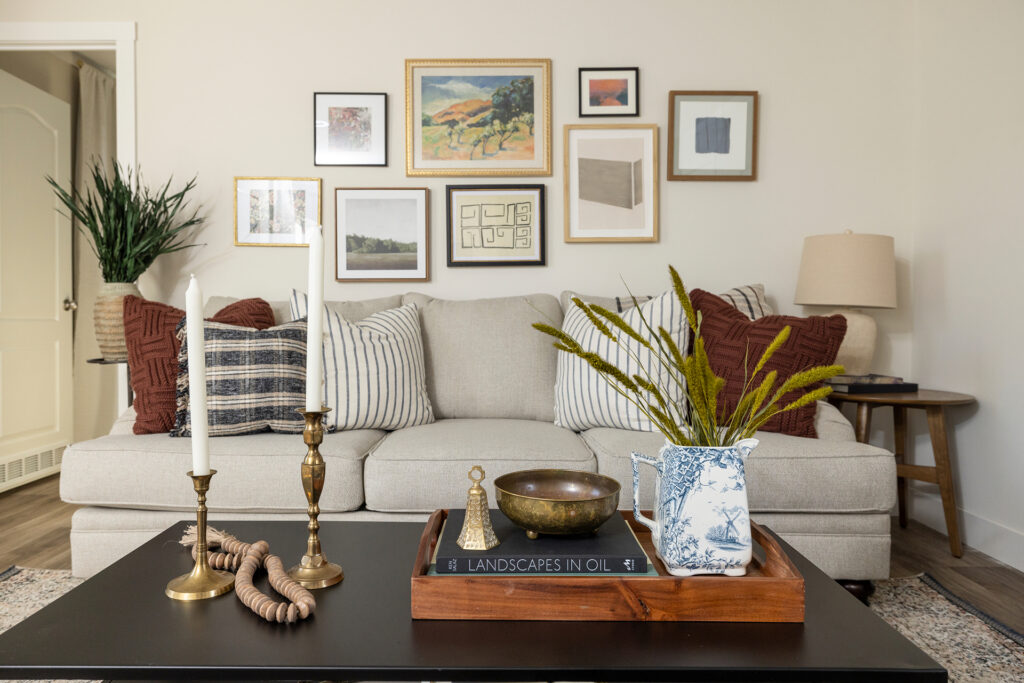
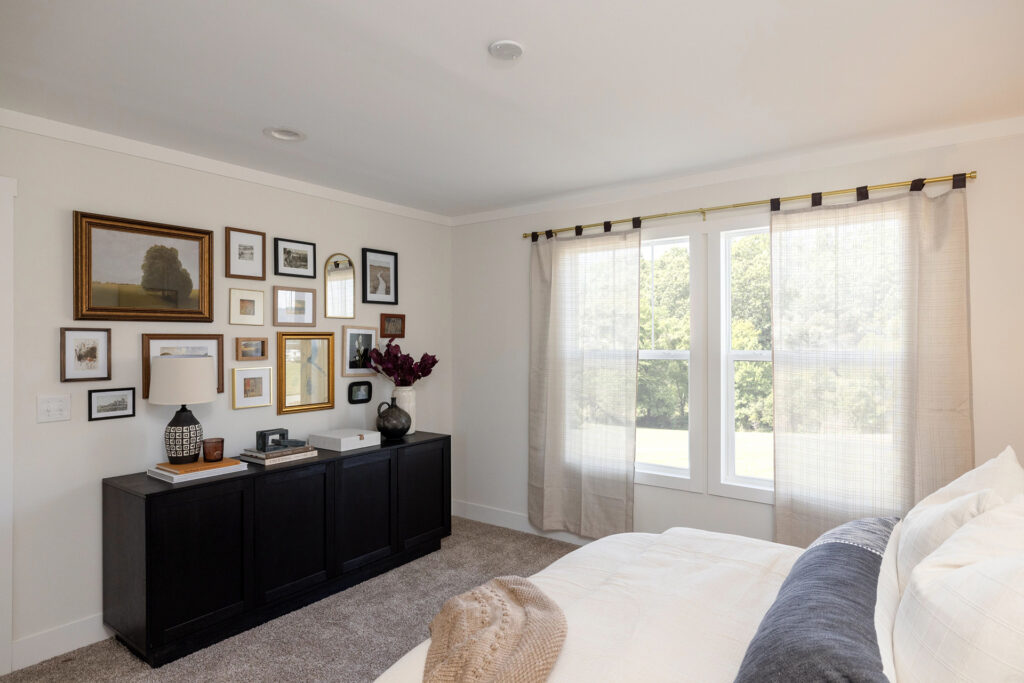
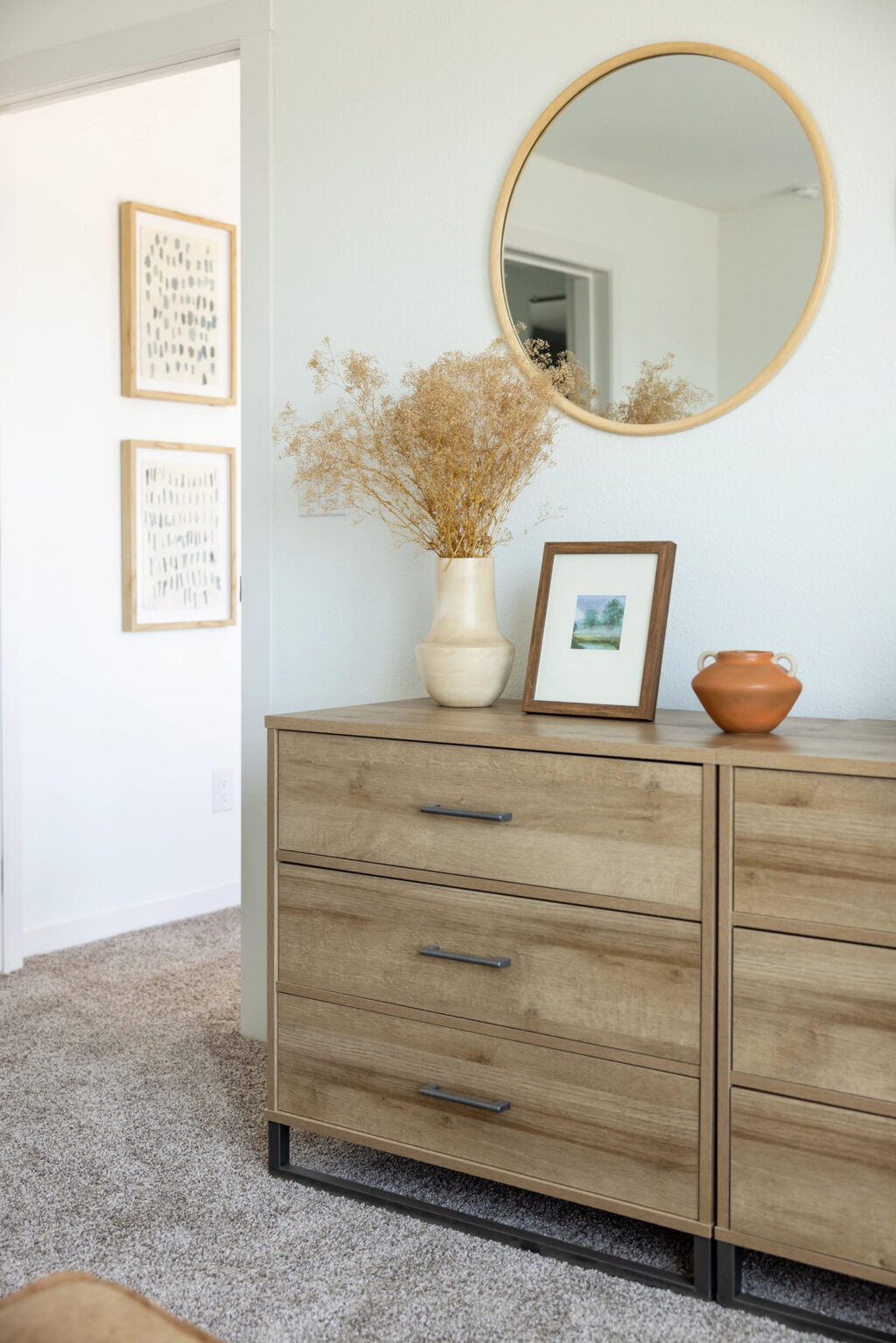
Almost nothing is more satisfying than finishing touches. From adding knick-knacks and souvenirs to framed photos and books to your space, this is when it’s time to really get creative. These personal items make a space uniquely yours, so arranging them in a way that’s pleasing to you is important. Look for opportunities to create photo galleries on walls, put your most beautiful coffee table books to work doubling as decor, and feature family heirlooms like vases, quilts, and photographs prominently. Find the items that really give you joy and place those where you’re most likely to see them every day. After all, the whole point of interior design is to make your home the happiest place of all.
An often overlooked element of interior design is organizing. When everything is in its place, it’s easier to choose where to place accessories and other just-for-fun accents.
Get inspired, room by room.
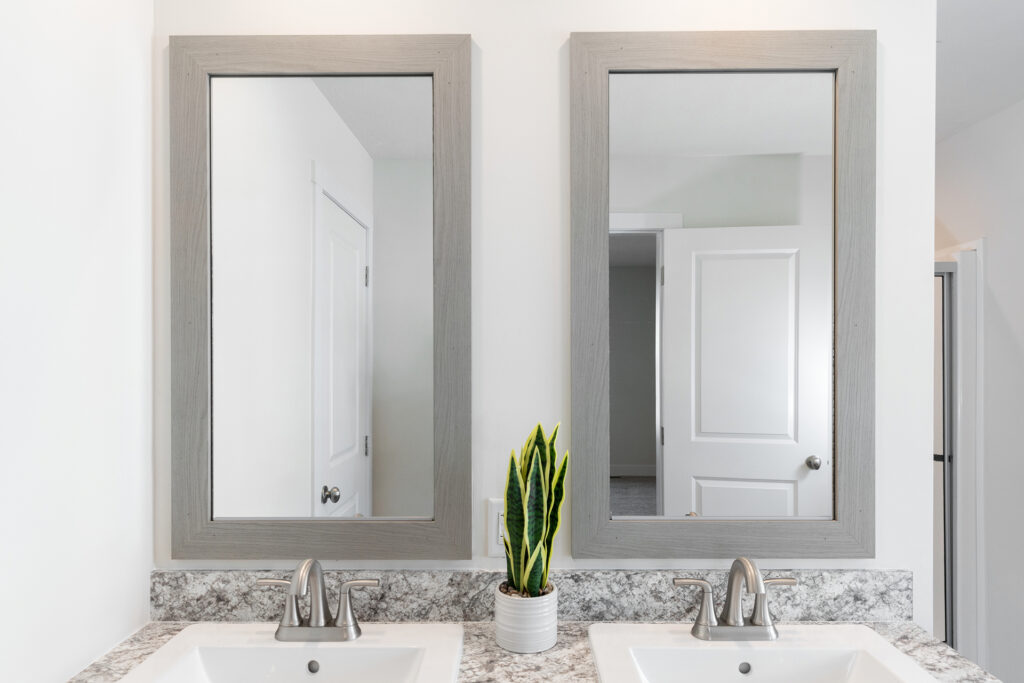
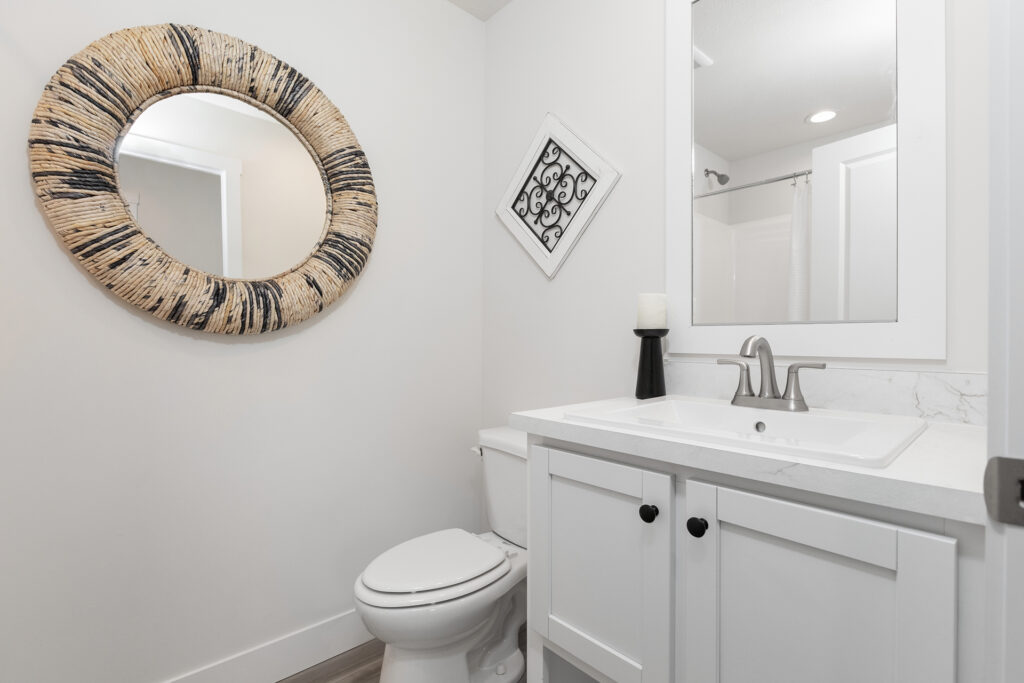
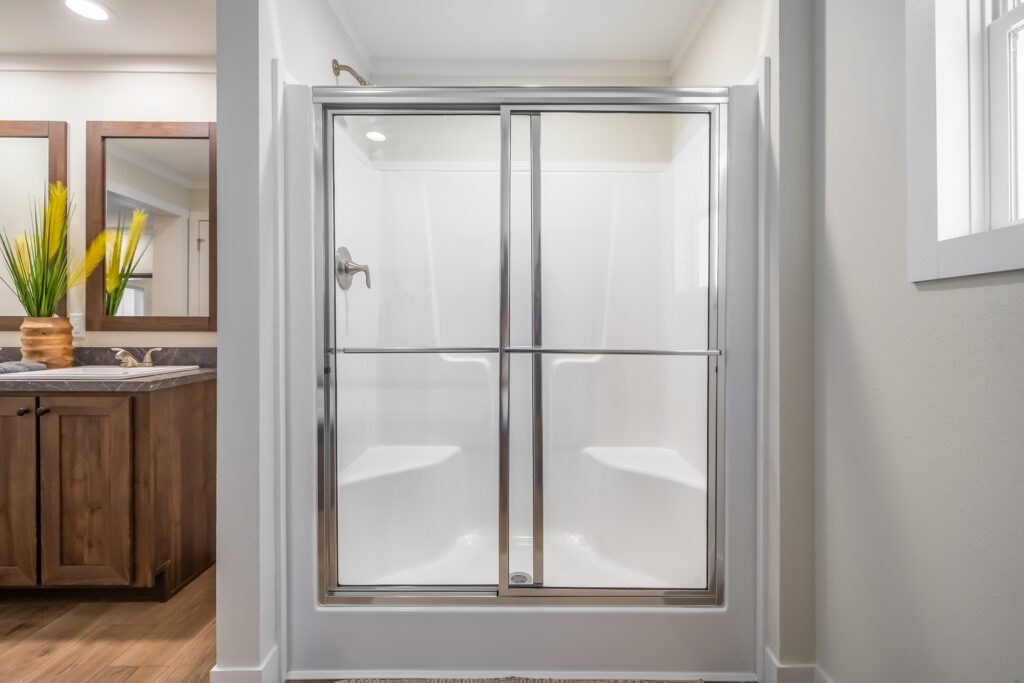
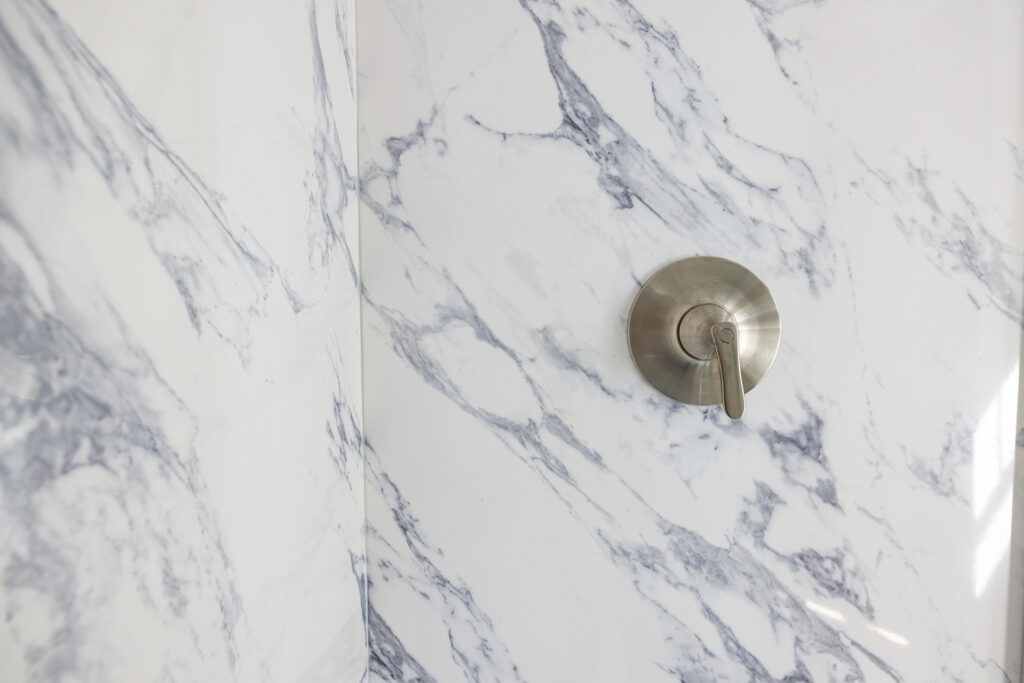
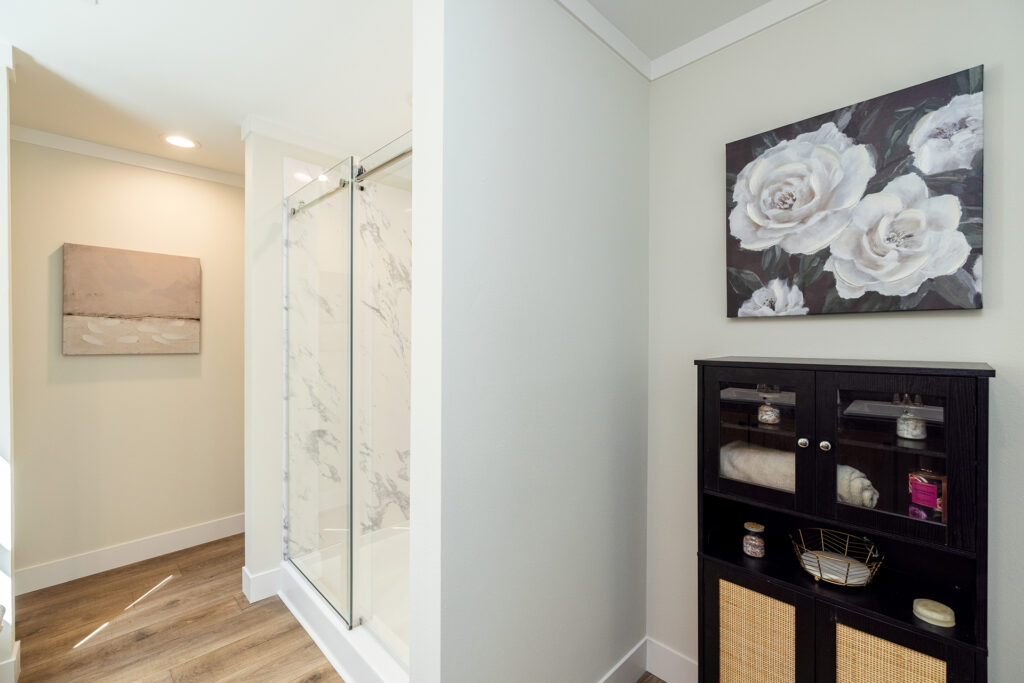
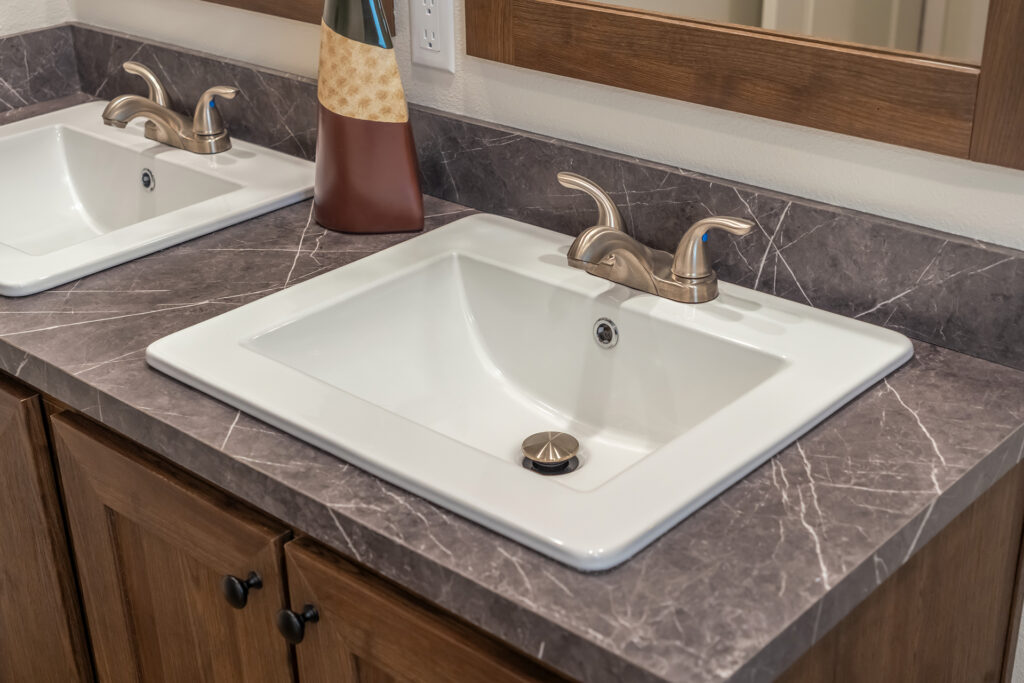
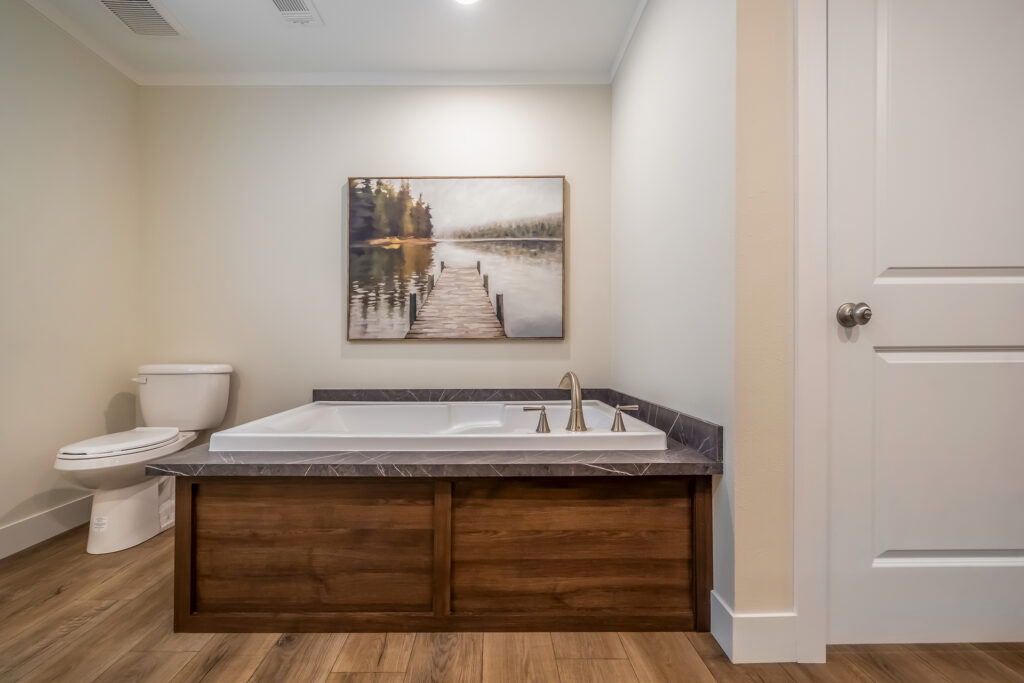
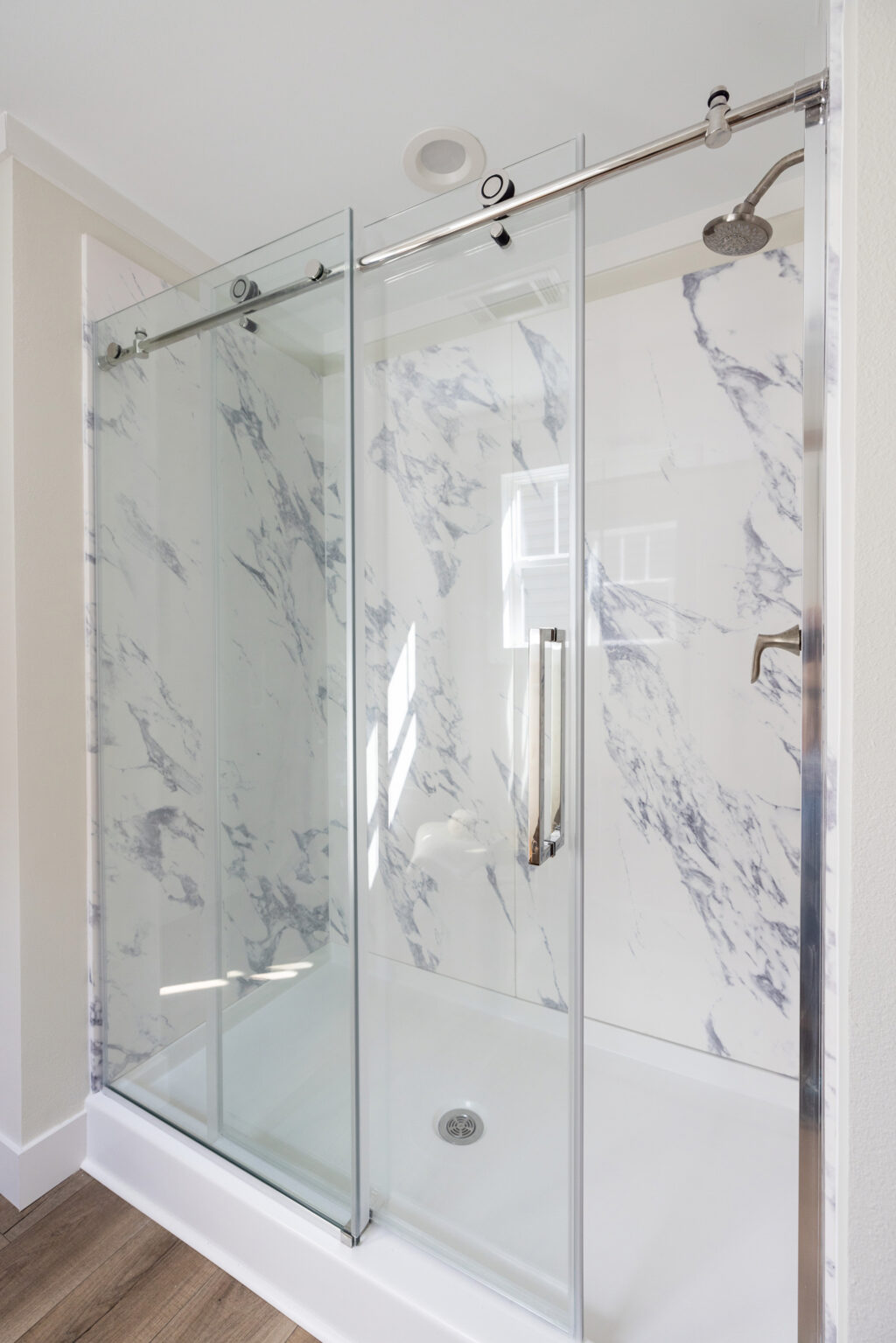
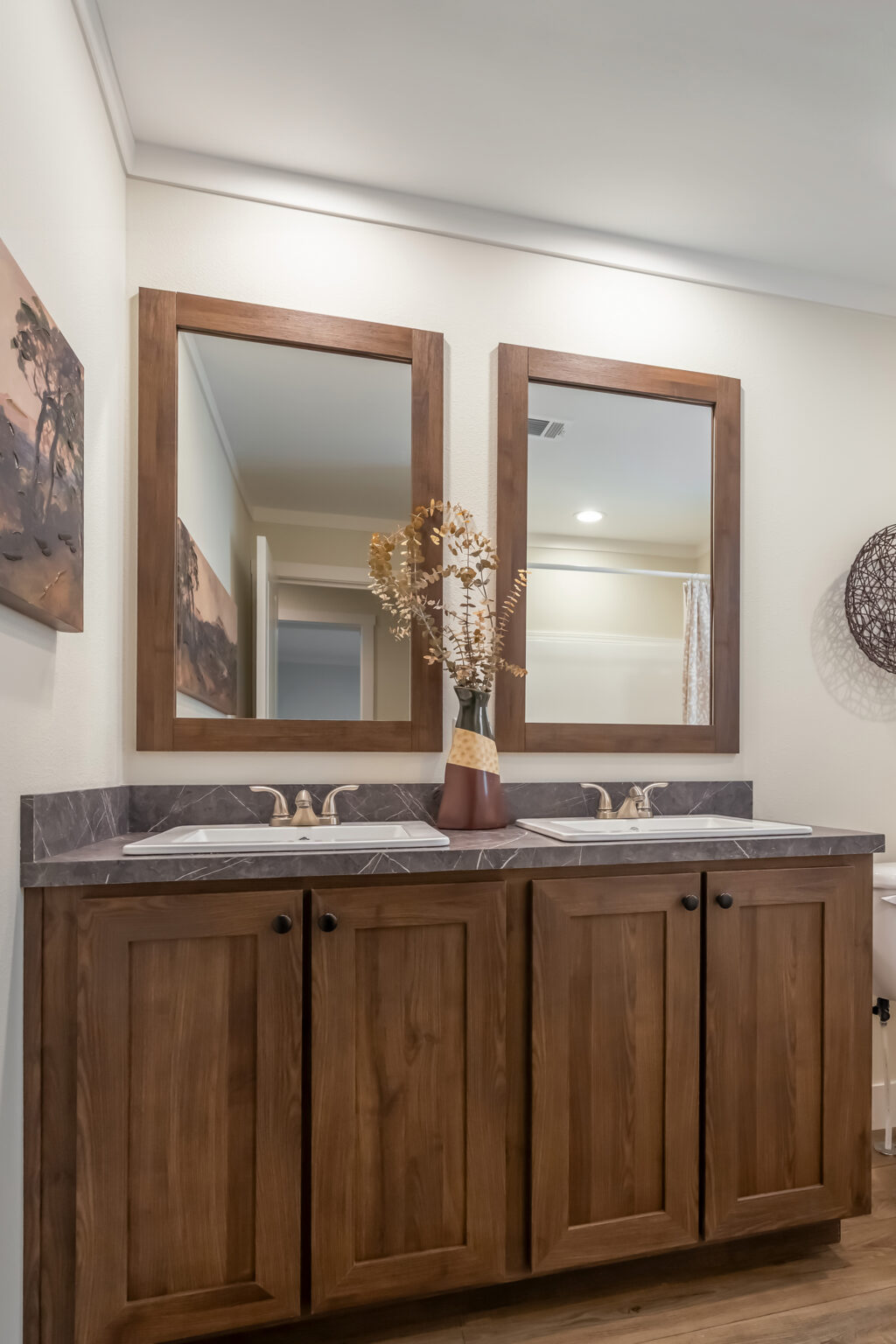
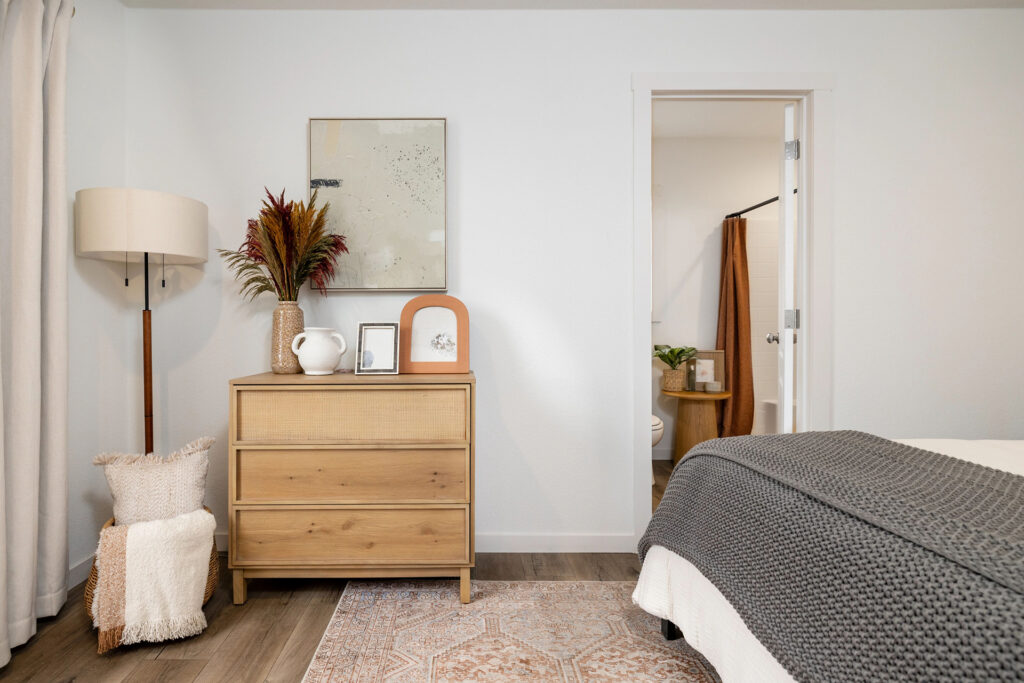
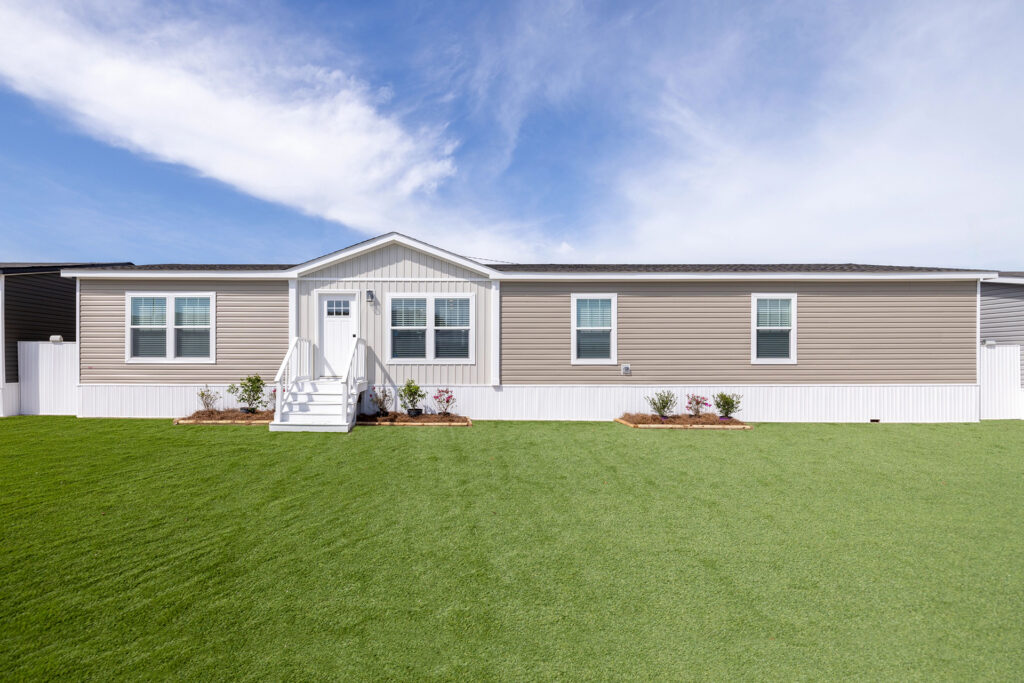
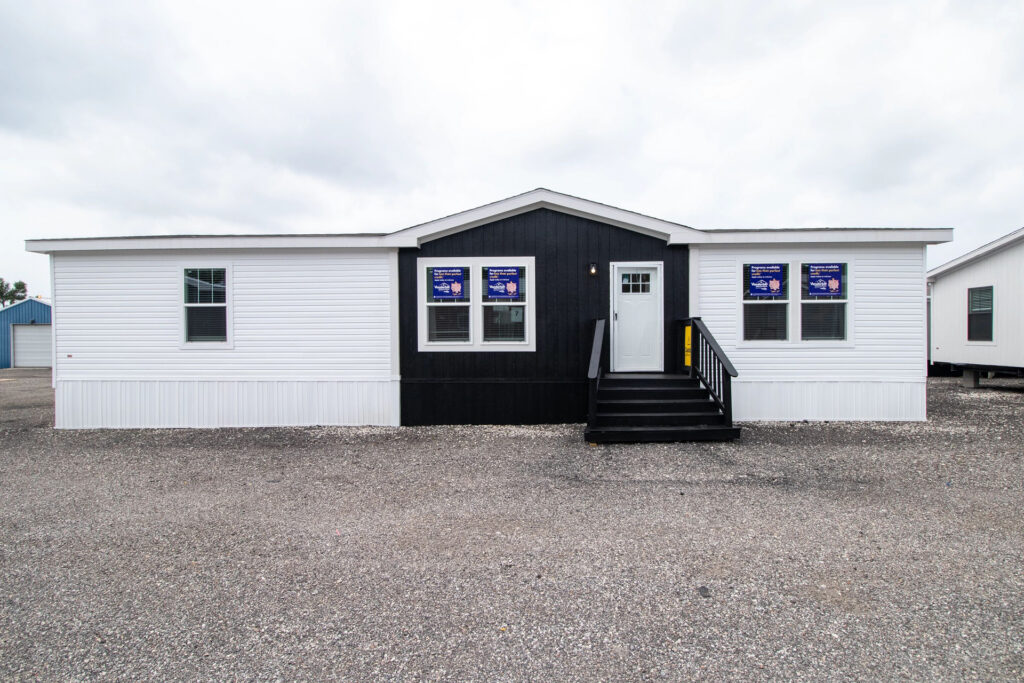
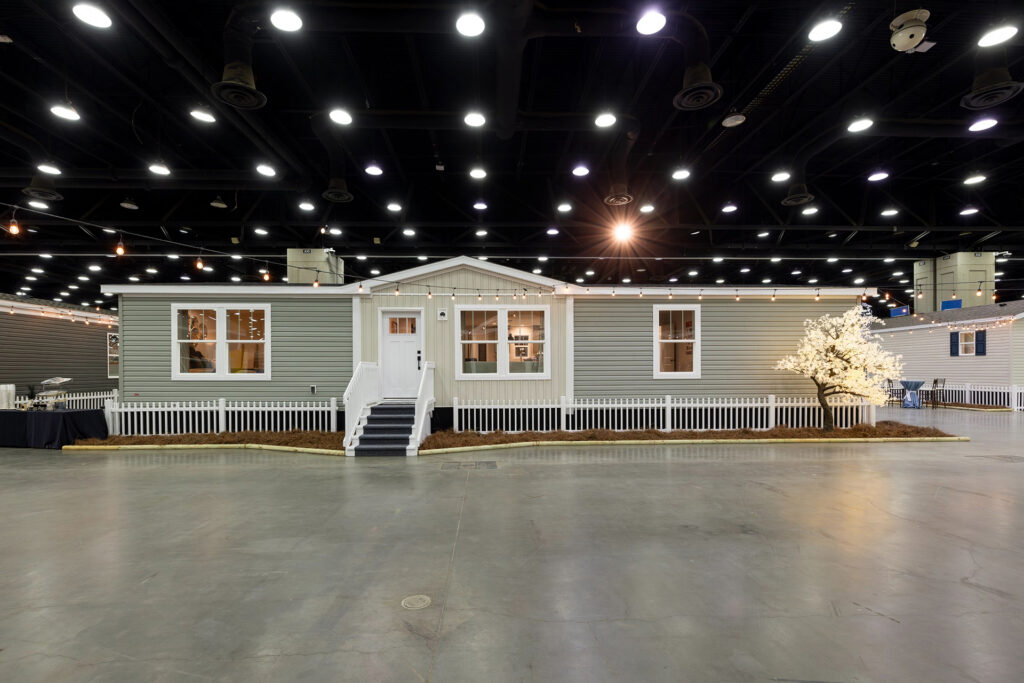
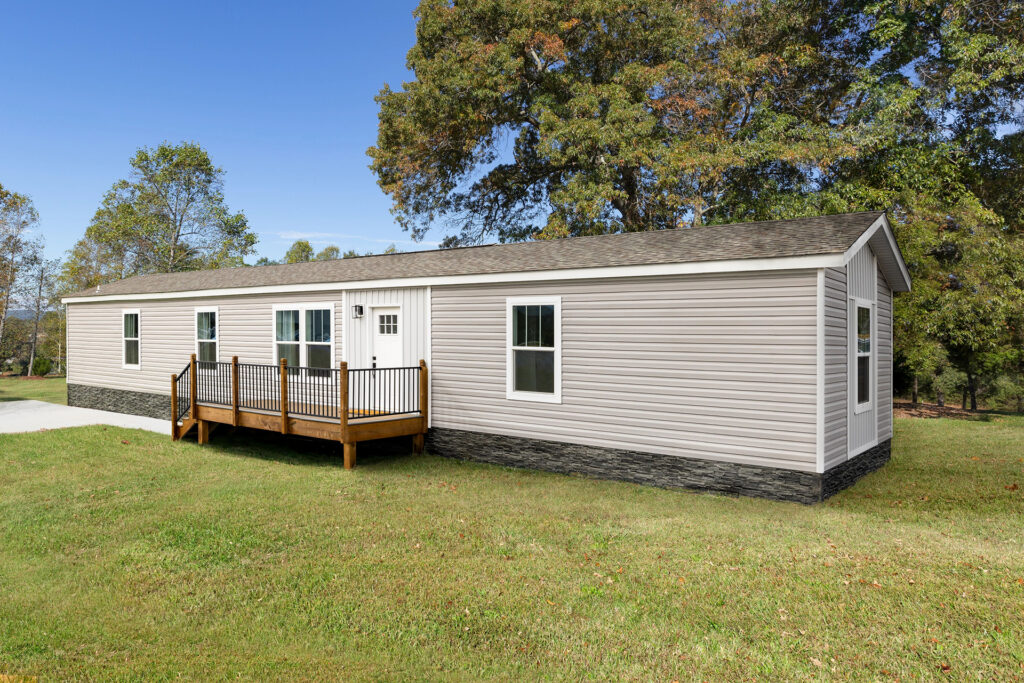
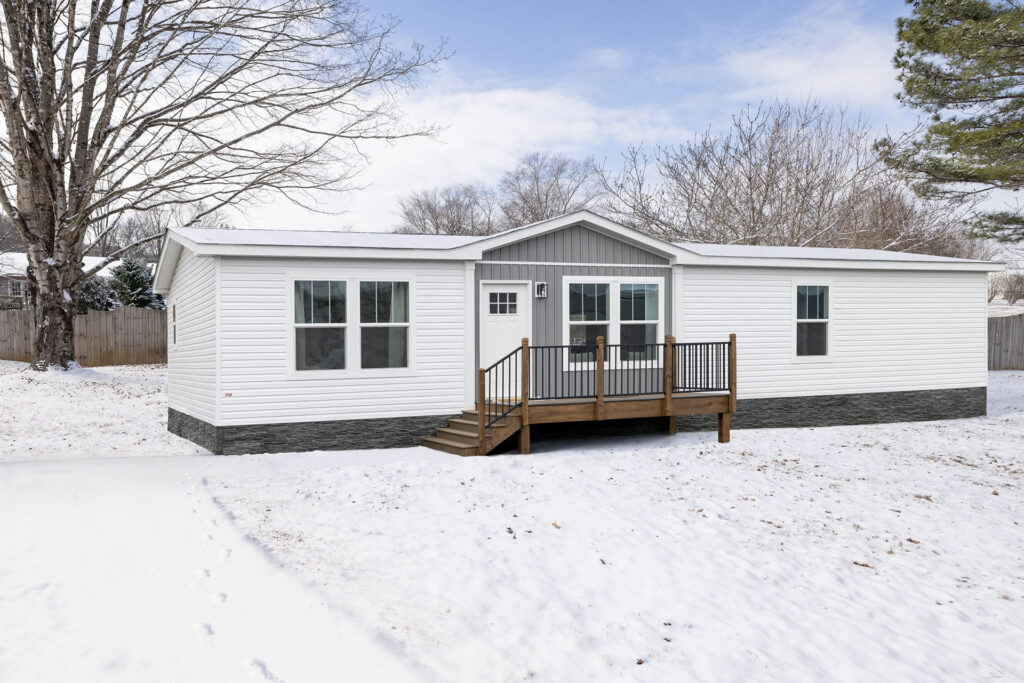
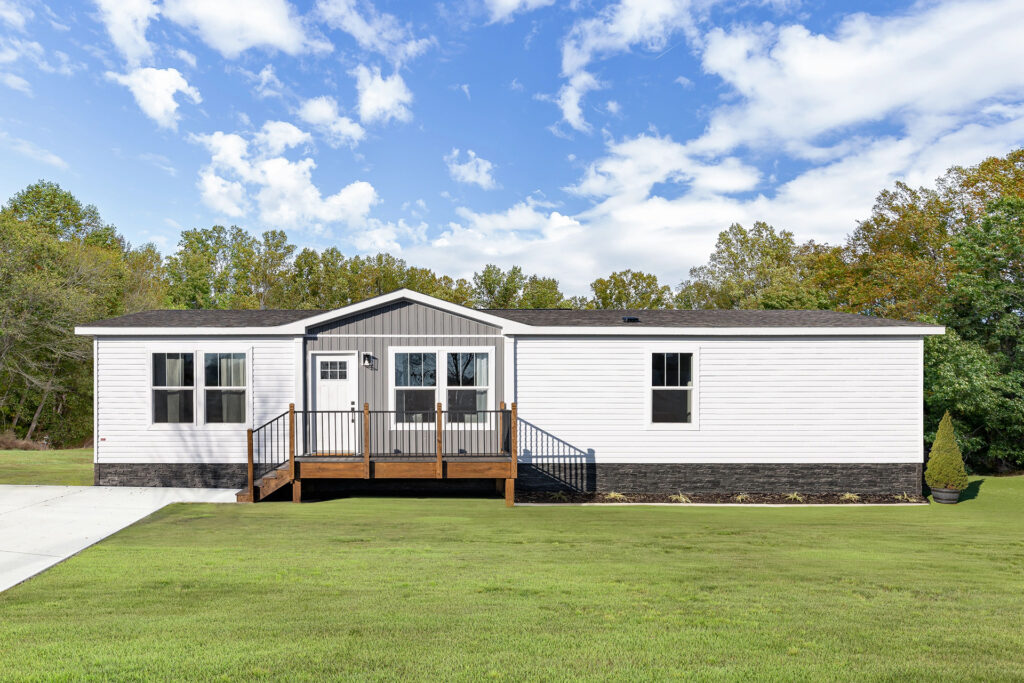
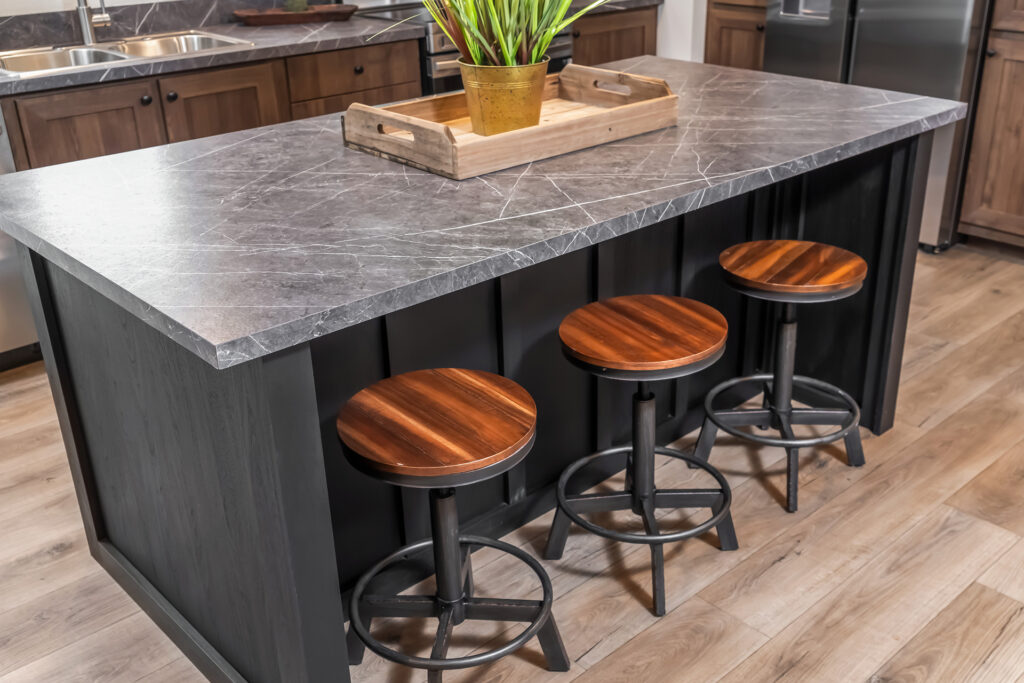
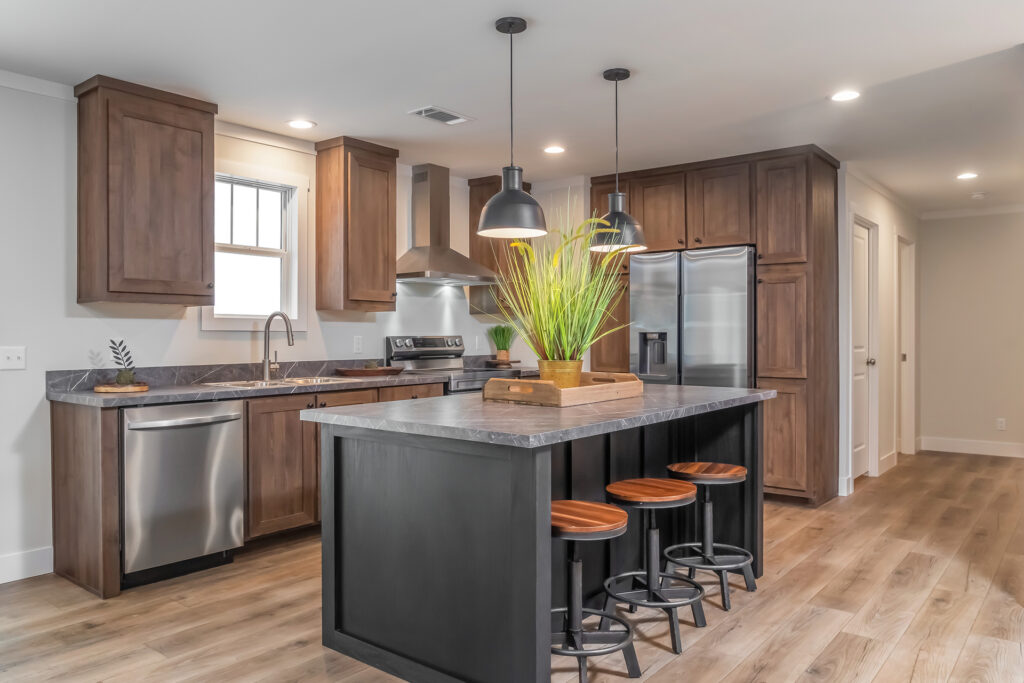
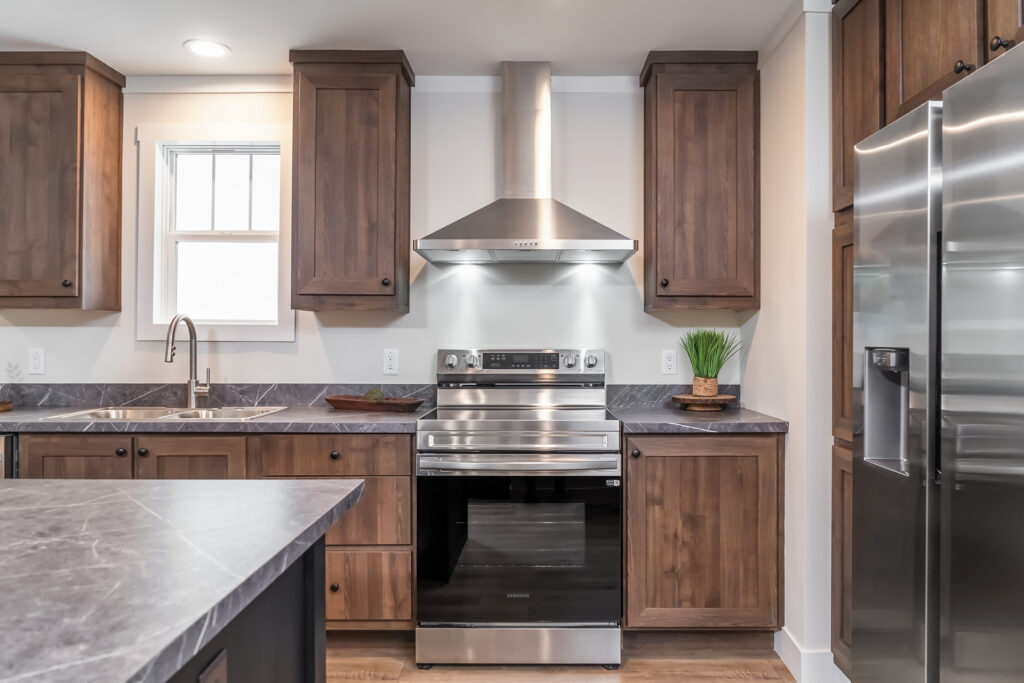
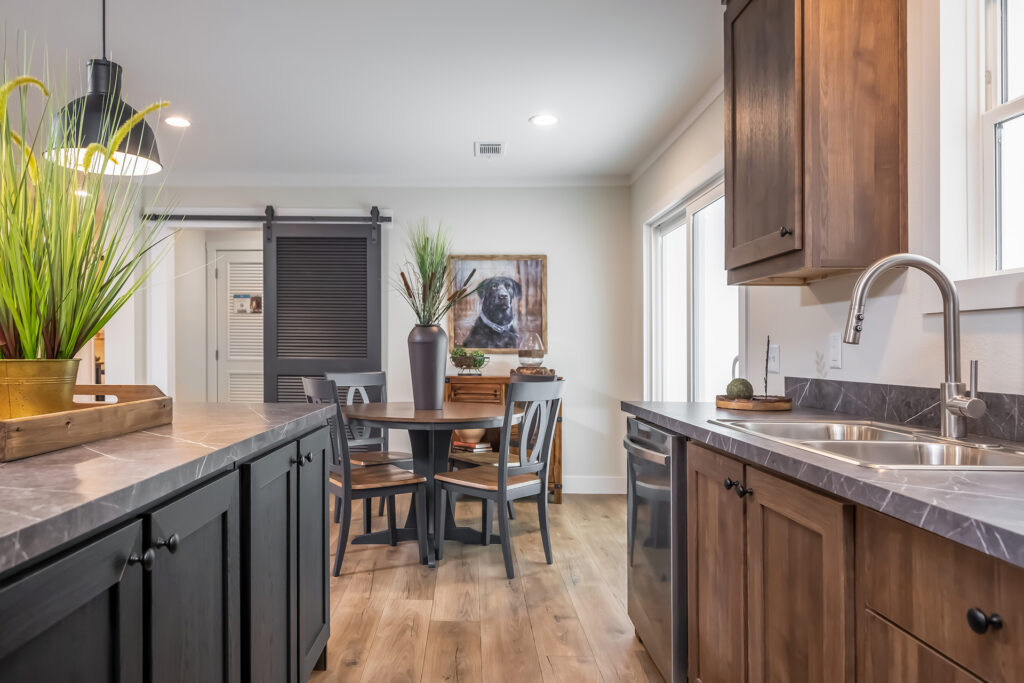
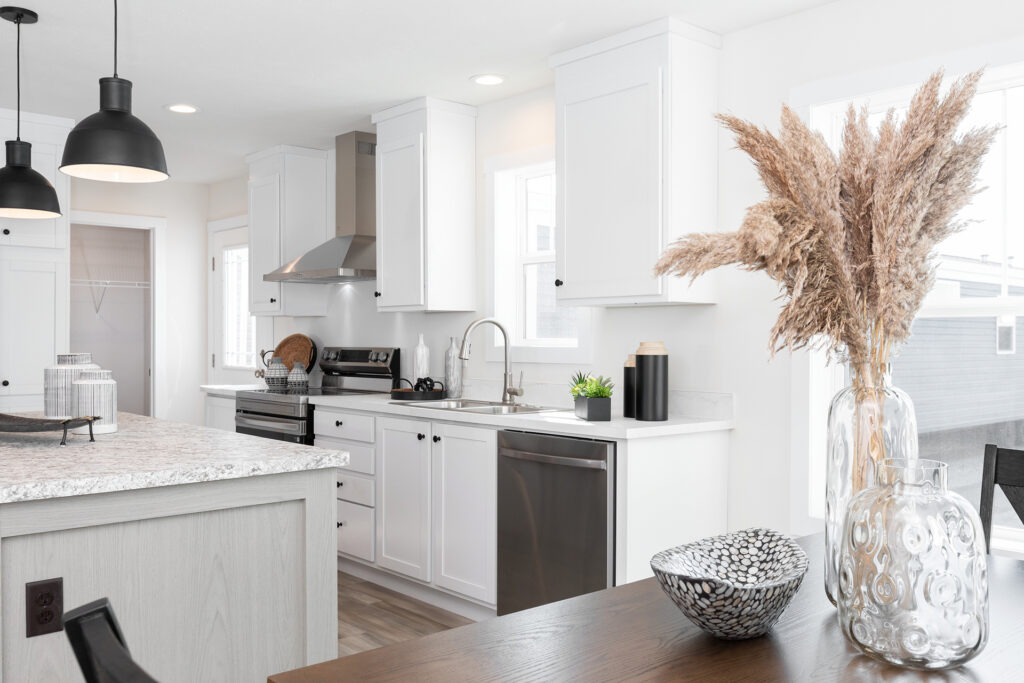
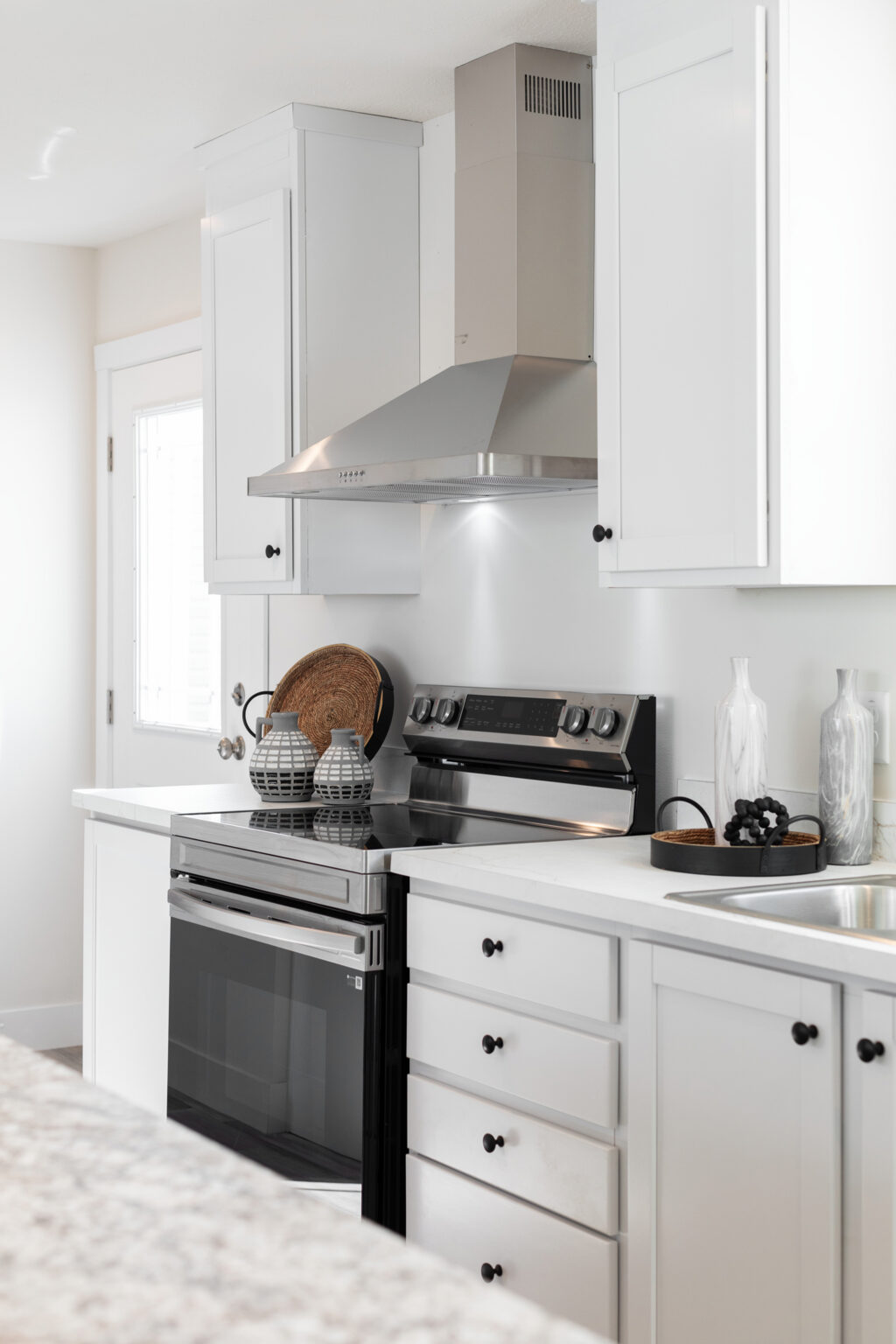
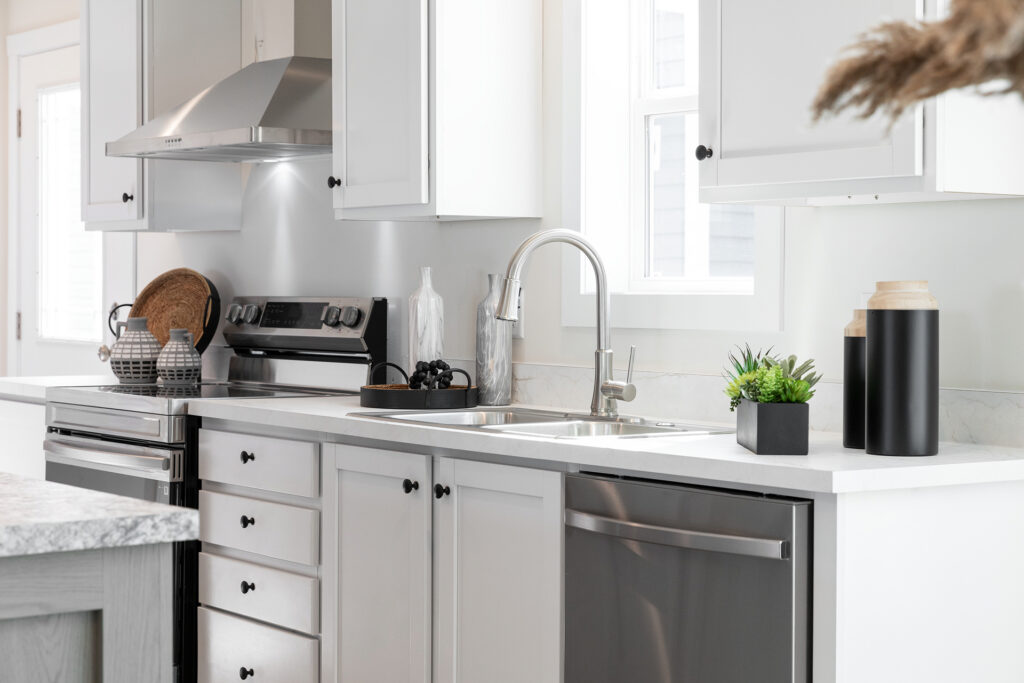
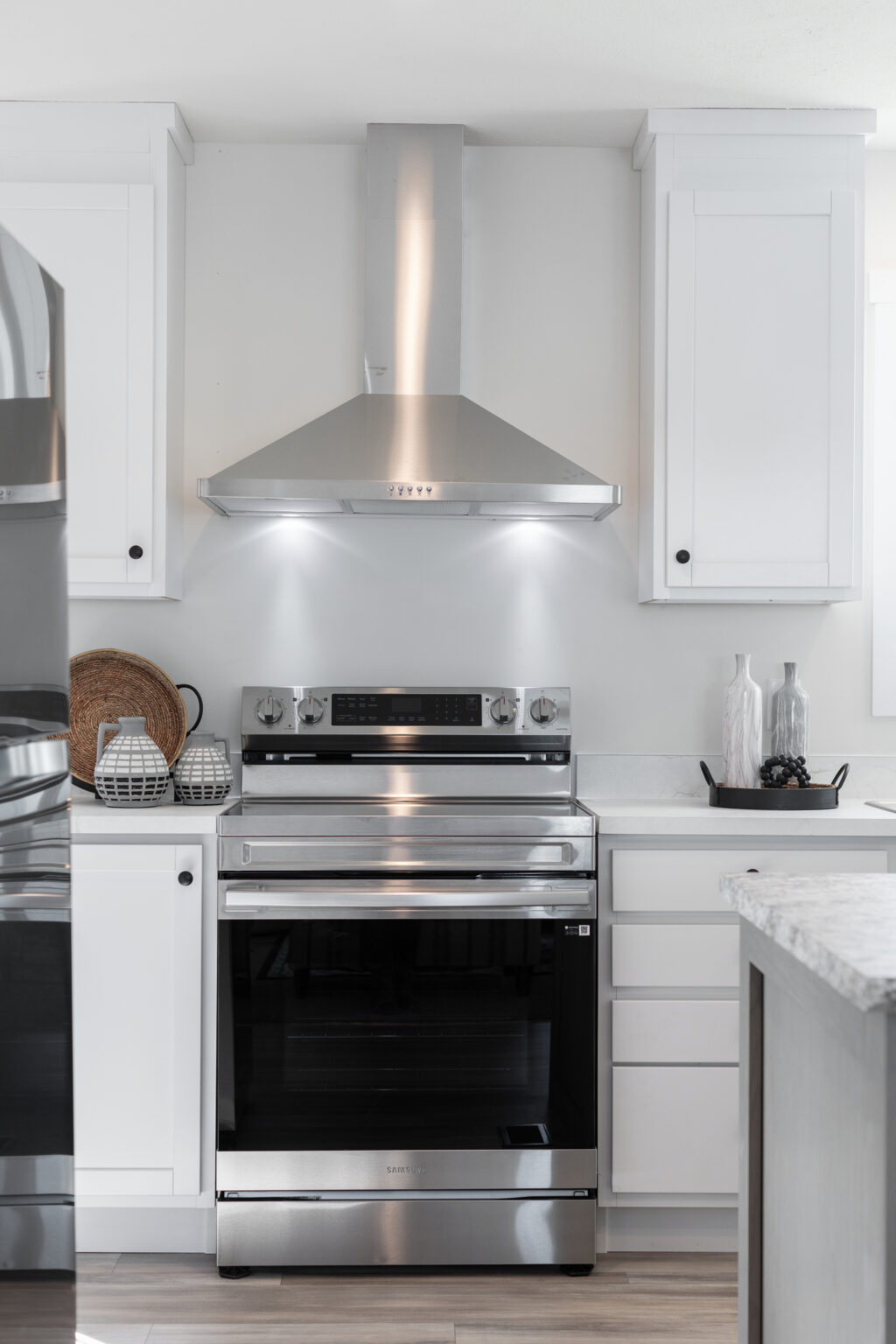
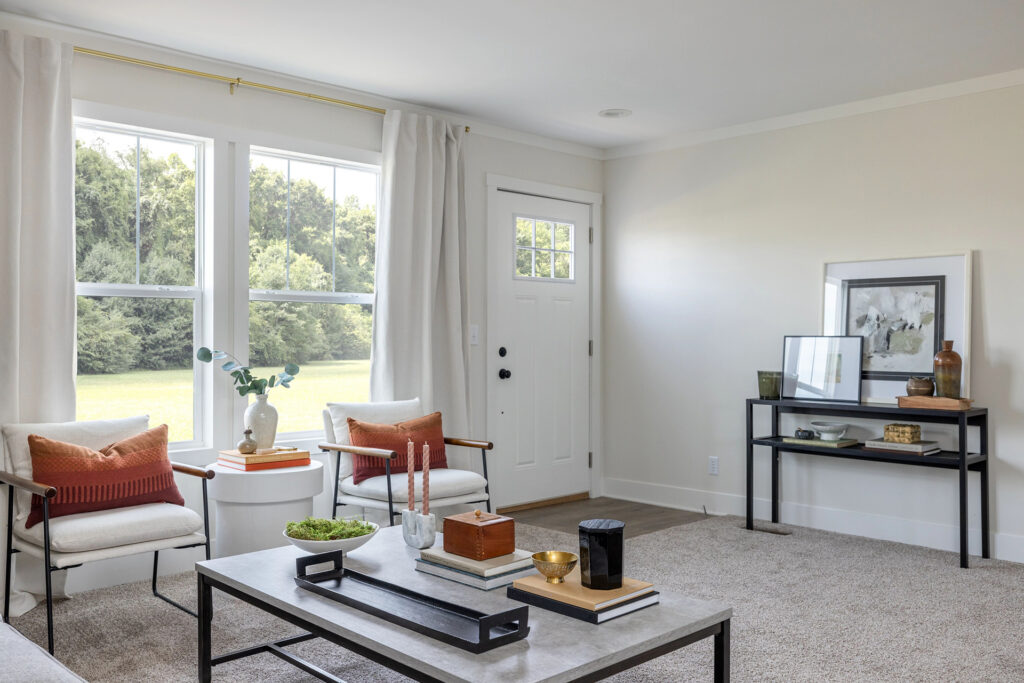
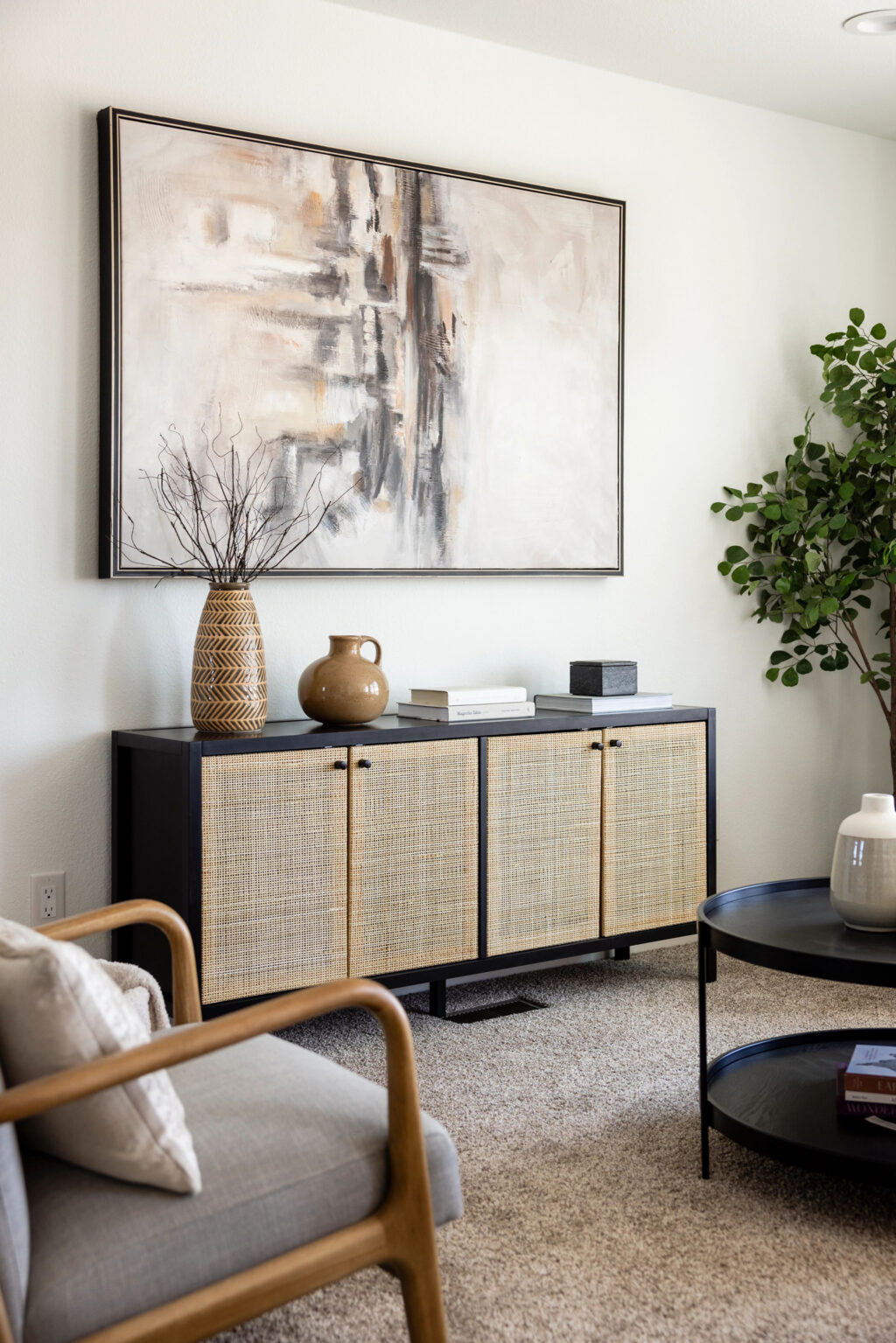
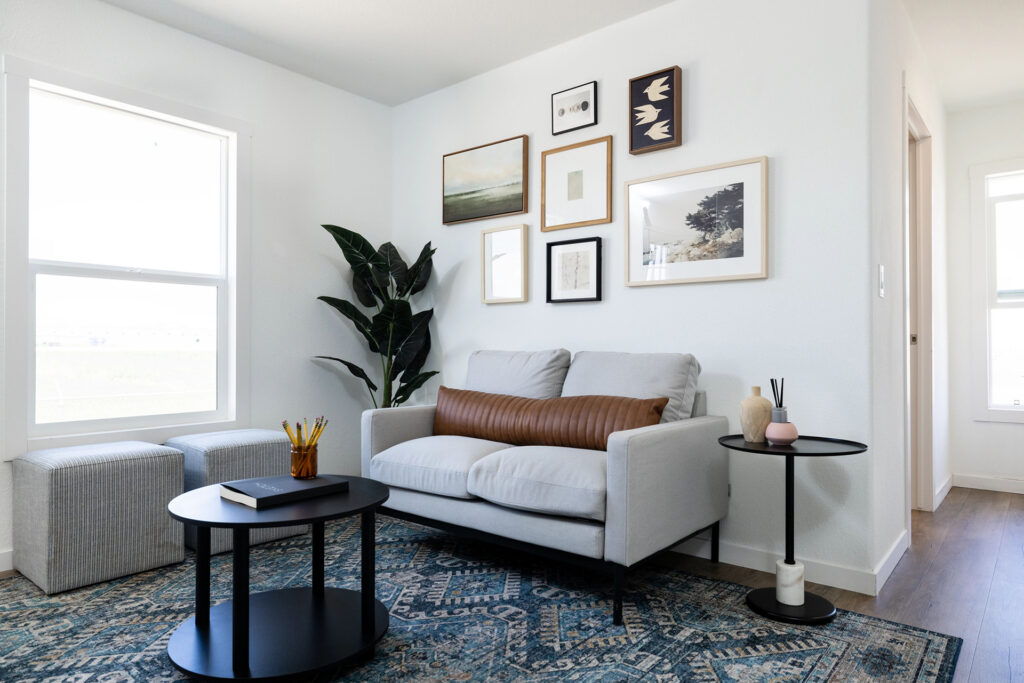
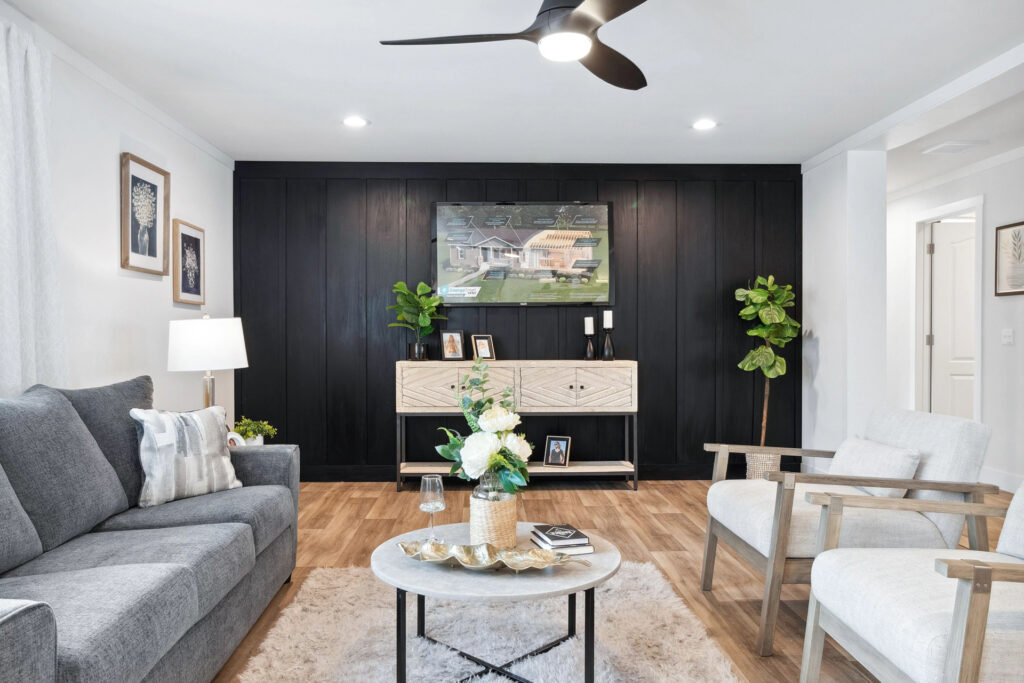
From Clayton Tempo Homes open kitchens to the bedrooms, bathrooms, and living spaces, every room is an inspiring room. Meet the shower that has people raving, see the living room accent walls that get guests talking, and start to imagine what you would do in rooms like these of your own.






3D tour
From room to room, Tempo’s functional layouts allow for plenty of inspiration. Click through the 3D tour to get a feel how everything comes together in a sweet symphony.