
Learn
Your homeowner cheat sheet is here. Everything you need to know about building, buying, and caring for your Tempo home, all in one place. No confusing language, just helpful info to guide you from “where do I start?” to keys in hand.
Built to shine. Made to last.
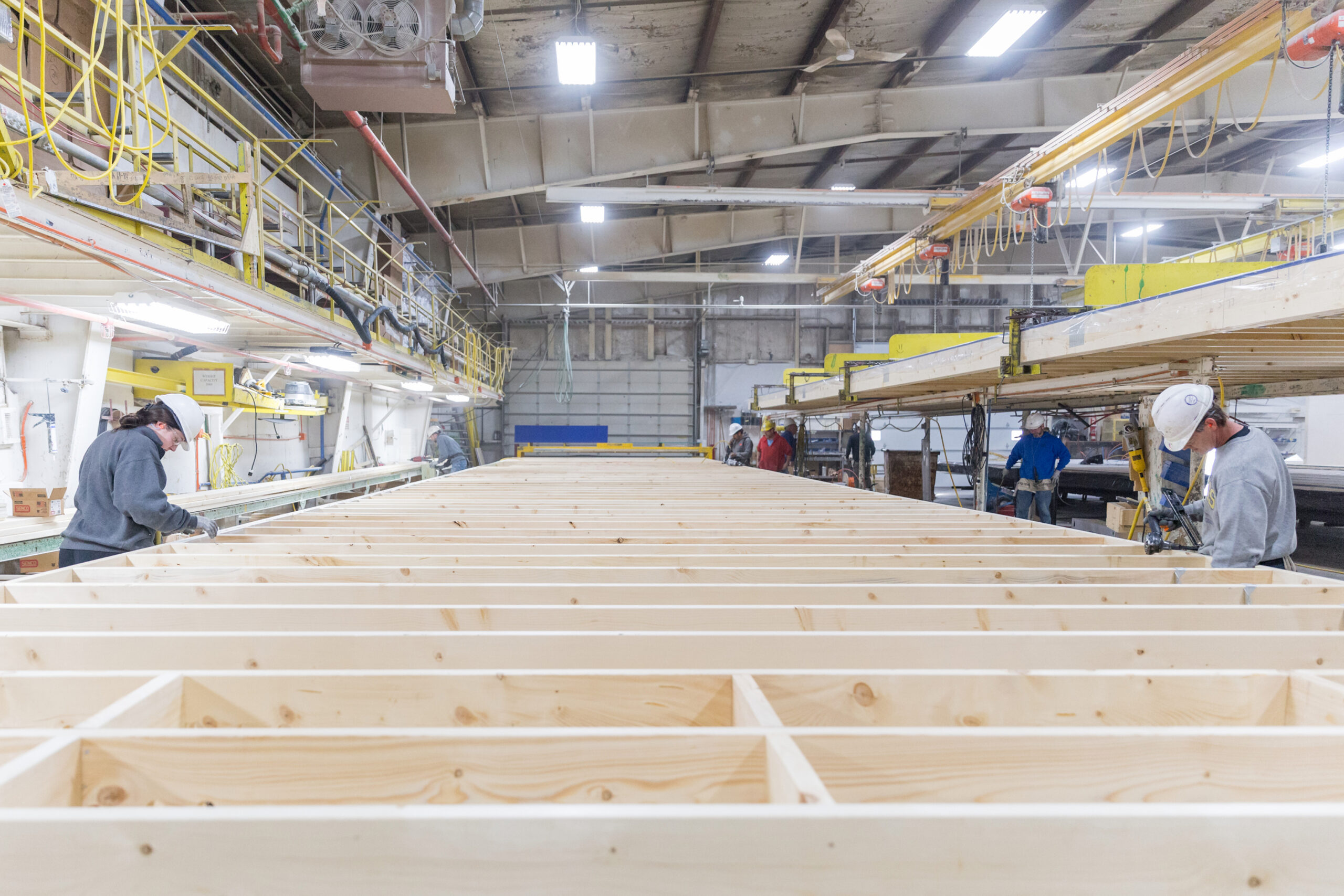
Every Clayton Tempo Home is built with care, precision, and trusted brands and products. Enough telling. We’ll show you how it’s done.
Built with names you know.
From your kitchen appliances to your bedroom floors, you’ll find brands you know from top to bottom inside every Clayton Tempo Home.

Samsung is the #1 US appliance brand that creates modern, family-friendly designs and focuses on making each appliance easier to use than the next.

Shaw® Floors’ R2X industry-leading applied chemistry for carpet defense provides consumers the long-term benefit of cleaning spills, soil and pet accidents quickly and easily.

DuraCraft® cabinetry surfaces are made from a sturdy, water-repellent material developed in Europe that is exclusive to Clayton Built® homes in the off-site housing industry.

Kwikset® SmartKey Security™, with one-key convenience, allows you to re-key your lock yourself in seconds and provides security that protects against advanced break-ins.
Clayton Built® energy efficiency
- More than just a beautiful design feature, Lux® windows help homes be more energy efficient with low-E glass and optional argon gas-filled windows.
- ecobee smart thermostats are engineered for enhanced energy savings and controlling comfort.
- SmartComfort® by Carrier is a fully insulated, sealed furnace unit that ensures you feel the comfort but don’t hear it.
Clayton Built® structural integrity
- Floor joists on 16-inch centers (for 48% more lumber in homes 56 feet or larger)
- OSB floor decking, reinforced floors and walls with strong adhesive
- Climate-controlled home building facility keeps your home from the elements
Clayton Built® sealed construction
- Window and door flashing seals small openings
- Thermal moisture envelope helps protect against weather
- Foam tape around the exterior edge keeps air and moisture from entering
Clayton Built® plumbing
- Rheem®’s 40-gallon, dual-element hot water heater comes standard, meaning more hot water for longer. Automatic thermostats keep water heated to your desired temperature.
- Pfister® faucets are built using metal parts, providing great durability over the life of the faucet. Every drain includes Pfister’s Pforever Warranty® that covers finish and function
Buy your own Clayton Tempo Home.
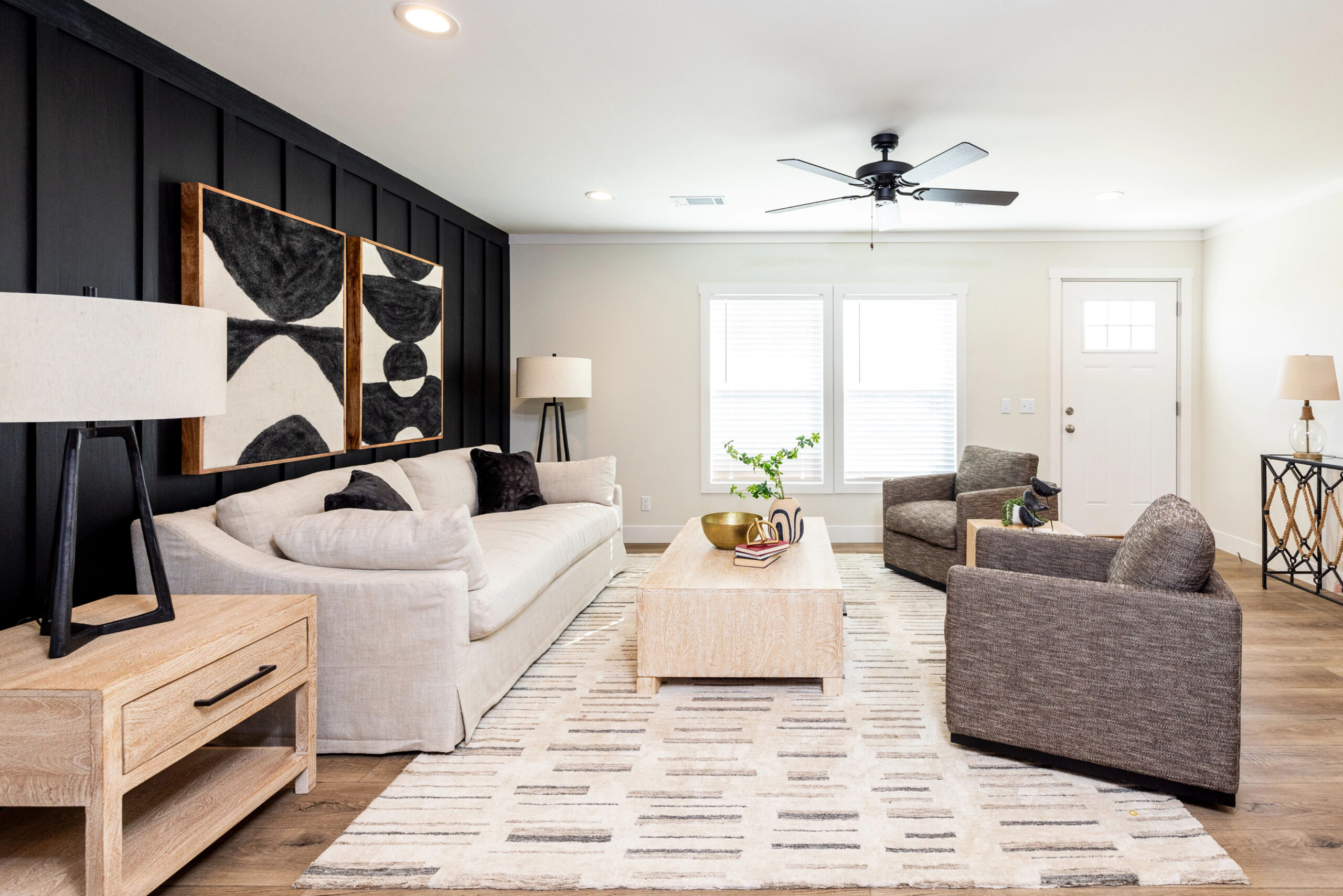
Buying a Tempo manufactured home works differently from buying or building an on-site built home. Here, we break down the steps to get you ready to move.

Getting ready
Find your Tempo retailer
First, locate your nearest Tempo retailer. Working with your local retailer in person or online, you’ll choose the Tempo Home that best suits your life and needs.
Make your choices
Once you’ve found your Tempo home, a Home Specialist will work with you to help fine-tune the details.
Pick a lender
Next, you’ll work with a lender of your choice to get financing (if needed) and help find land for your home (if not yet found).
Find your land
Last but definitely not least, you’ll locate and secure the land for your home and take one step closer to move-in day.

Financing
If you’re financing your Clayton Tempo Home purchase, you’ll select a lender and complete the loan application process. This means submitting a loan application and any other required financial information to the lender(s) you choose.
Once you receive loan approval, if needed, your Home Specialist will discuss the final home price with you. After agreeing to a sales price, you’ll sign your purchase and sales agreement and typically be required to put down a deposit on your new home. Either your lender or retailer will arrange the loan closing process.
To see a budgeting worksheet, videos, and more detailed information about the financing process visit Clayton’s Home Buyer Checklist.

Land & setup
Before buying an off-site built home, you’ll want to secure the property or land where you’ll be living, then have a contractor perform a property assessment. If you don’t own land, your Customer Success Manager can help you work with a local real estate agent to find the perfect property for your new home.
Once you’ve submitted a loan application and any other required financial information to your chosen lender, you can begin applying for septic and building permits. The permits you need will vary by home location, and your Customer Success Manager can help you understand exactly which ones you need. This is a great way to use the time while you wait for your conditional loan details if you’re financing your home.

Delivery
Once your home is built in your regionally located Clayton Tempo Homes building facility, on-site installation and construction will get underway. Then, the big day—your home will be delivered to your home site.
Installation construction crews will complete the on-site construction of your new home directly on your home site.
Once finished, you’ll do a final walk-through of your home with either your Customer Success Manager or another representative from your local retailer. During your final walk-through, you’ll make sure everything is complete and in working order before you move in.
The next big day before move-in day: You’ll receive a homeowner’s information packet, along with your appliance owner manuals. And a few new shiny front door keys. Ahhh.
Find your Tempo Home today
Select and build your Tempo home virtually, then reach out to your closest retail partner for pricing, availability, and additional guidance.
Taking care of your Tempo Home.
Caring for your home can feel like a lot of work. But when you live in a Clayton Tempo Home, all the care and maintenance tips you need are always easy to find. Plus, regular cleaning and maintenance help your home last longer and need fewer repairs, replacements or upgrades through the years, potentially saving you money.
We can’t do the work for you, but we can help you understand the important priorities, starting with a few tips, how-to’s and fire-safety related do’s and don’ts for new homeowners.
Transitioning from renting to home ownership means learning a few new routines. Even existing homeowners need a few reminders every now and then. Here are three quick tips to help you get into the good habits of homeownership.
1. Change your air filter
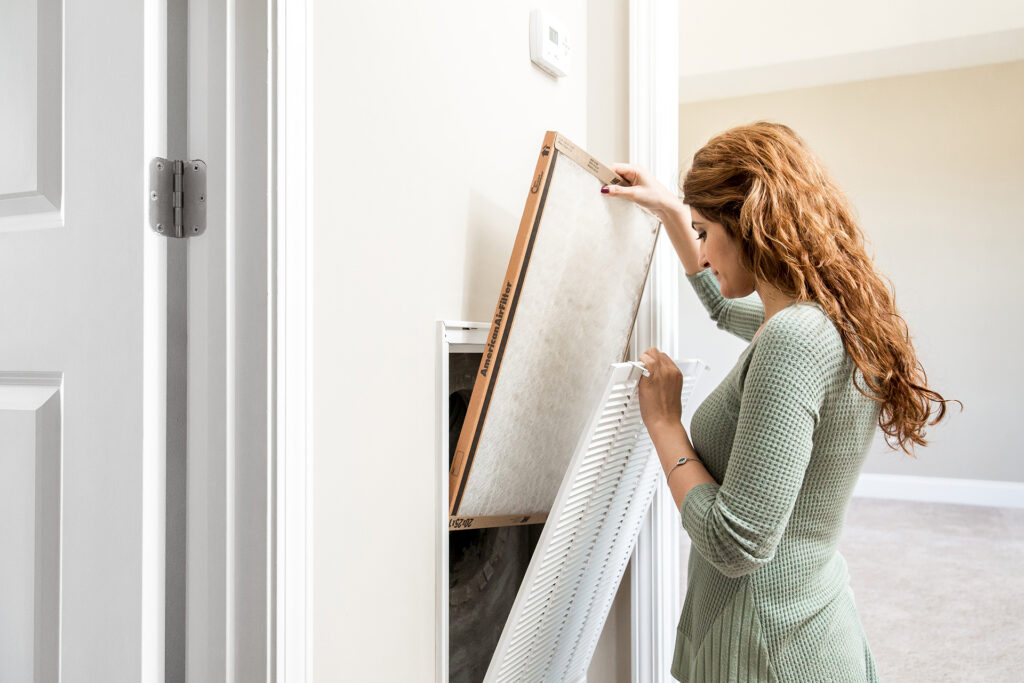
Your home’s heating, ventilation and air conditioning system works hard. Regular maintenance will help keep it running smoothly and help it last longer.
First, check your owner’s manual (or the side of your existing filter) to identify the right number and size filter, and, to learn how often to change your specific filter.
Keep in mind that the less transparent a filter is, the more pollutants and debris it will capture. If you have pets, look for a filter specifically made to collect pet dander and hair.
Even when you know how often to change your filter, make it a regular habit to check it in between, just to be sure it’s not overly coated. Anytime your filter is well-coated with dust particles (think: the original filter fibers are barely visible) it’s time to replace it. For more detailed replacement steps check out Clayton’s full guide to air filter maintenance.
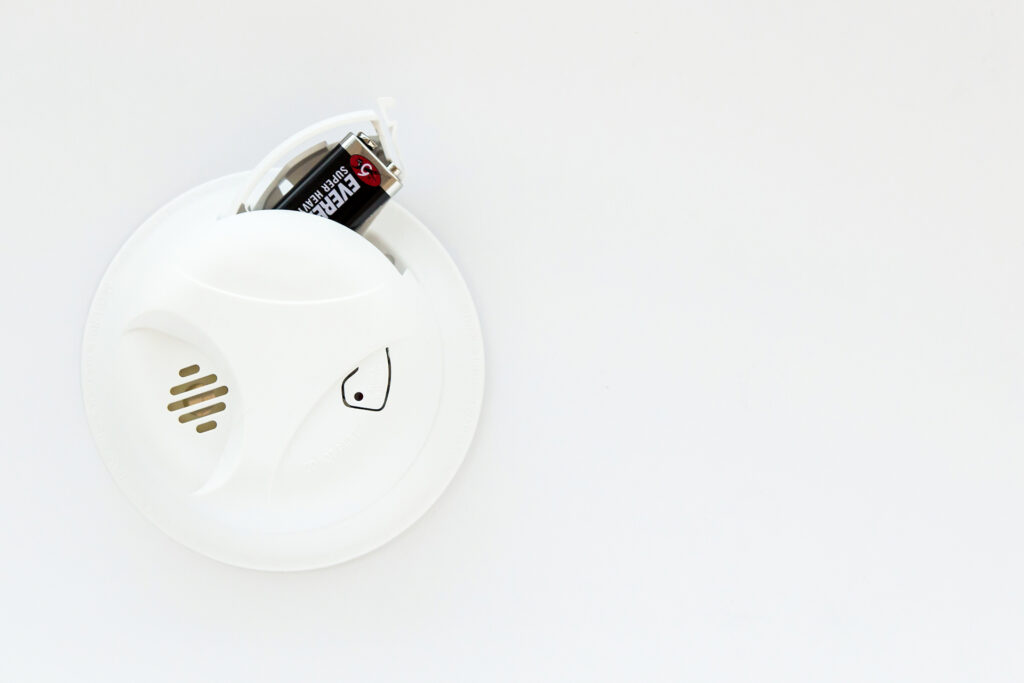
2. Check your smoke detector
Safety first is a rule that never goes out of style. A properly installed and tested smoke detector is a simple, effective way to keep your home and everyone in it safe.
Change the batteries once every year. Daylight savings time is a great annual reminder. Check your manufacturer’s instructions for how to change the batteries in your specific model.
For a step-by-step guide to replacing your batteries and testing your smoke detector, check out our Clayton’s smoke detector tips guide. Bottom line: Change your batteries annually, test your alarm occasionally, and keep it on at all times.
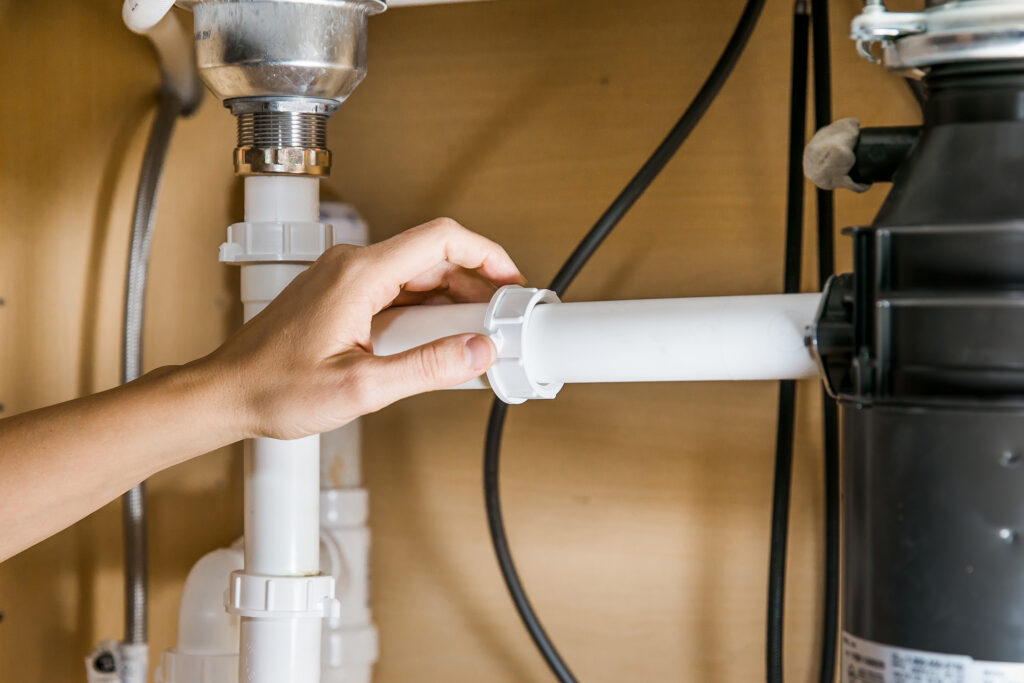
2. Maintain your Electrical, Plumbing, and Appliances
Yes, professional electricians and plumbers exist for a reason. But you can also get to know your plumbing and electrical systems, and do simple inspections yourself on a regular basis to make sure everything is running smoothly.
Appliances will differ and vary per home. You will receive an owner’s manual for every appliance in your home, and while that should be your go-to for all things related to that specific machine, there are some general appliance maintenance tips to be aware of too.
For more detailed information on the systems and appliances in your Tempo Home, spend a few minutes with the pages below. You’ll feel like a pro homeowner in no time flat.
Learn more about your Plumbing, Electrical, and Appliances
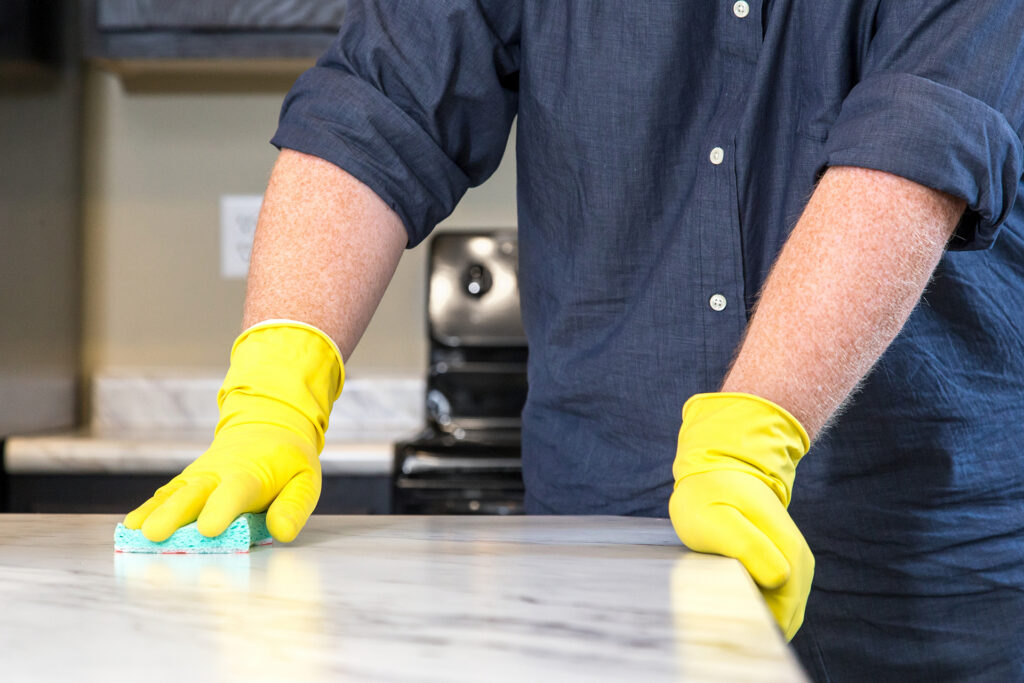
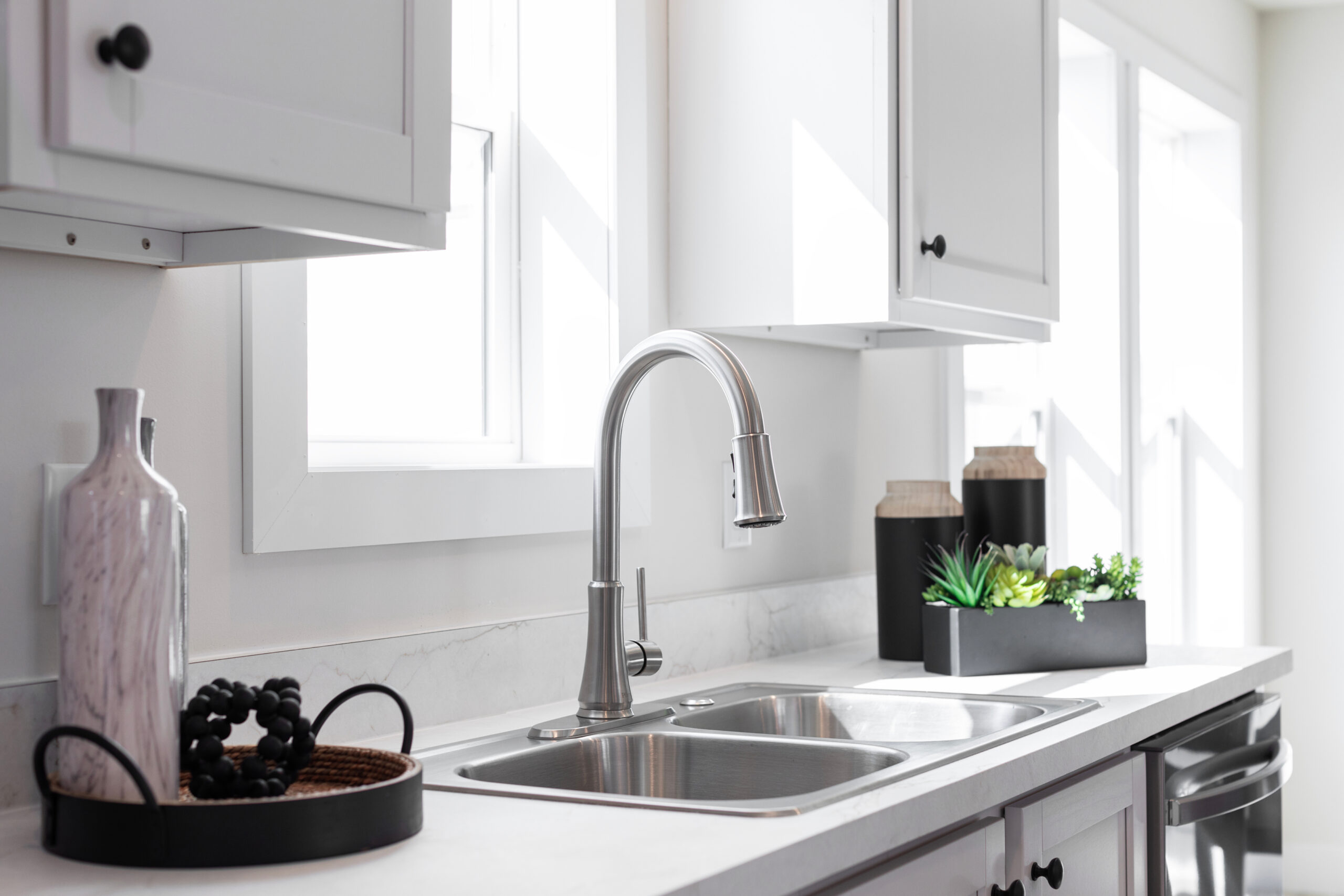
How to care for countertops
Different countertop surfaces require different care. When you purchase your Clayton Tempo Home you will receive an owner’s manual for your specific countertops. Meanwhile, here are some general tips for taking good care of all countertops—no matter what yours are made of.
- Use coasters under drinks
- Use hotpads under hot pots and pans
- Clean all liquid spills immediately
- Use a cutting board for food preparation (never the countertop itself)
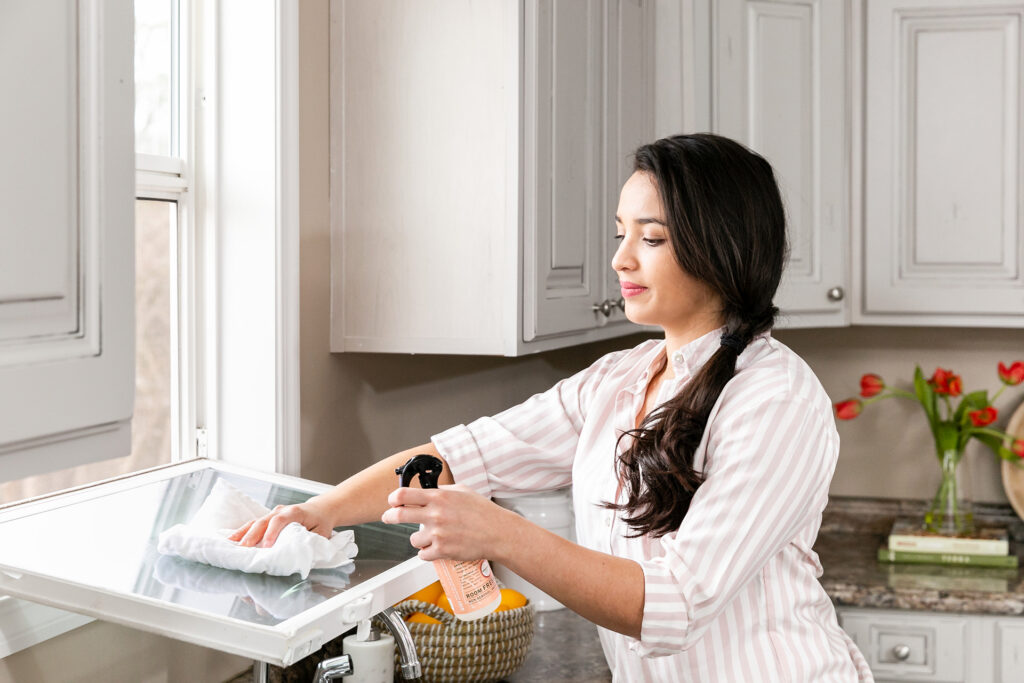
How to care for windows and doors
Windows and doors are hardly on anyone’s list. But both need a little love and care to continue functioning properly. Your owner’s manuals will guide you on exactly how to care for yours, but here are a few things to keep in mind for all windows and doors.
- Cleaning and lubricating window tracks can keep windows moving smoothly
- Replacing weather stripping on doors and windows can help keep drafts out
- Replacing or tightening door strike plates can keep them closing and opening correctly
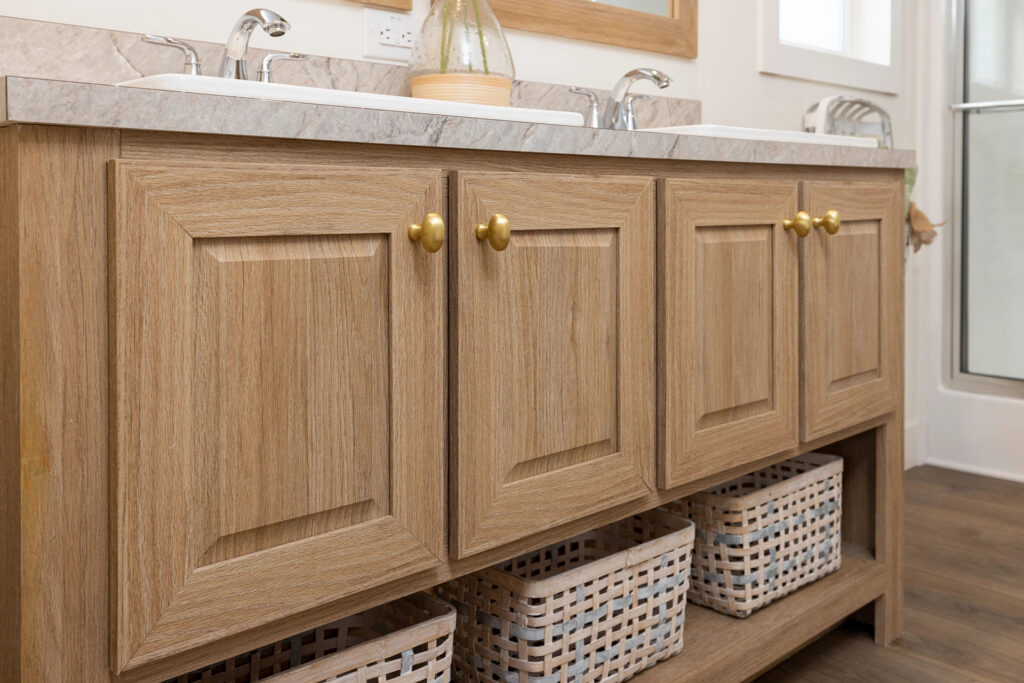
How to care for cabinets
Kitchen and bathroom cabinets get used a ton. Also in close range of water, the risk of damage is high, on top of normal wear and tear. A few simple actions will help the cabinets inside your Tempo Home last for years to come.
- Keep cabinet surfaces clean and dry at all times
- Always use non-abrasive cloths and cleaners to wipe your cabinets
- Use only mild detergent to clean if-needed, avoiding bleach and ammonia
Fire safety do’s and don’ts
Fire safety is an important aspect of homeownership. To make sure you’re prepared, and that you’re doing everything possible to prevent a fire in the first place, here are a few fire safety Do’s and Don’ts.

Do
- Have multiple smoke detectors installed throughout your home and test them monthly. At least twice a year, check the batteries and replace as needed. It’s also a good idea to have smoke-alarm activated night lights throughout your home.
- Have fire extinguishers easily accessible in your home. Good places include in your kitchen, near fireplaces, and near a grill on your porch or deck. Inspect extinguishers often and have them serviced and refilled when needed. Check with your local fire department—they might provide fire extinguisher refill services.
- Have a fire escape plan. Prepare a plan to help any children, elderly family members or family members with mobility limitations out of your home. Include your pets in the plan too! Practice your fire escape plan routinely so that your family is aware of what to do. Also find two ways out of each room in the event the primary exit is blocked by fire or smoke.

Don’t
- Don’t leave your stove and oven unattended. Always check to make sure they’re off before leaving the kitchen.
- Don’t allow grease and oil to build up on your stove or in your oven. Do clean both regularly to prevent a grease fire.
- Don’t leave candles burning before going to sleep or when you’re leaving your home. Do opt for flameless LED candles as a great alternative.
- Don’t leave the house with heaters on. Do unplug them before you go to bed.
- Don’t run the washer or dryer while you’re not home. Do clean your dryer’s lint filter after every load and check your vent monthly for excess lint.
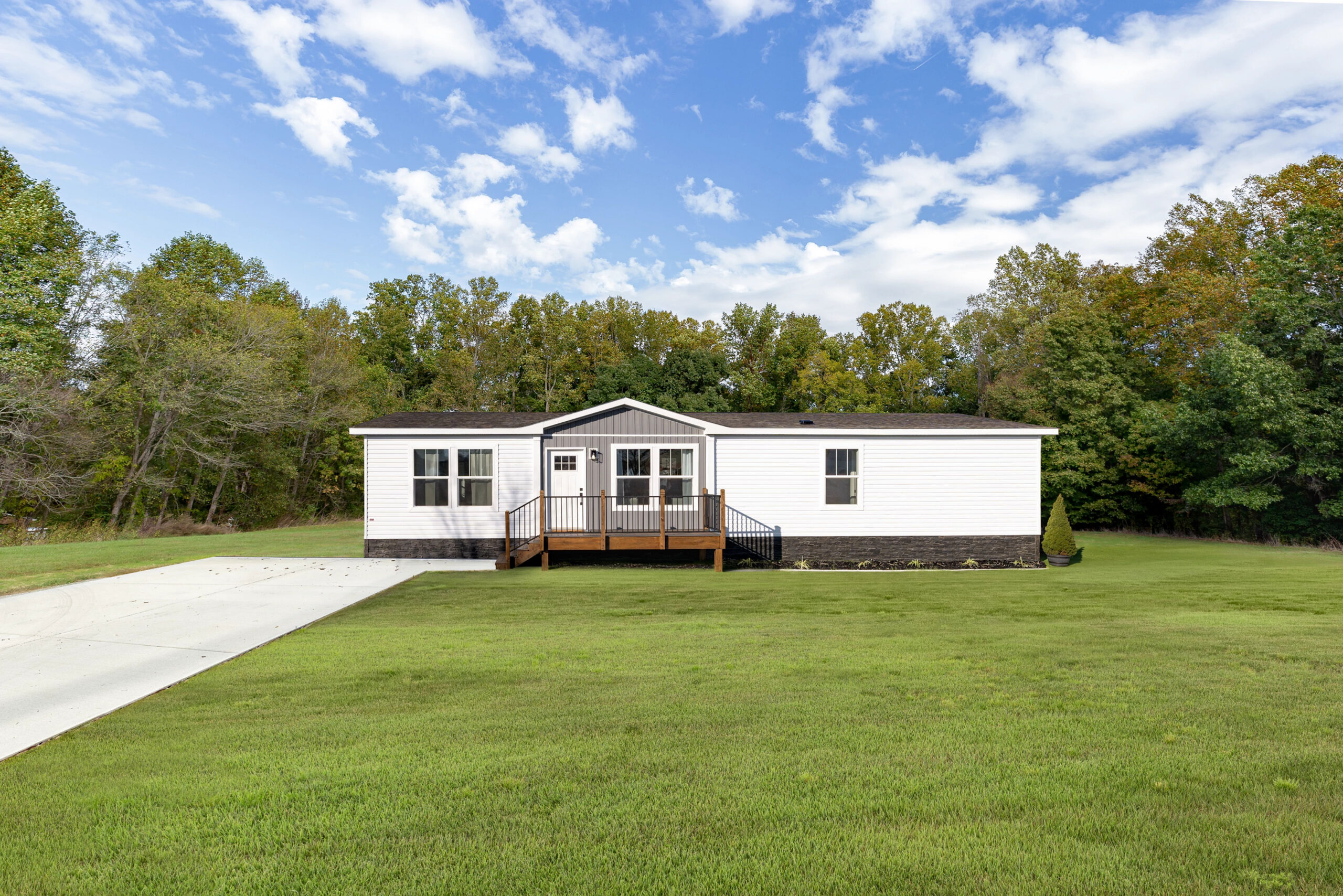
Tempo Homes: MOD or HUD?
Depending on where you live (or want to live) and which Tempo home you’re interested in, some Tempo Homes can be constructed to either MOD or HUD standards. Why does this matter to you? That’s what this page is all about, so read on.
Why: MOD or HUD
MOD, or modular homes, like manufactured homes, are prefabricated, or built off-site.
Unlike manufactured homes, MOD homes are built to local and state codes and standards, which vary by local and state municipalities. Instead of writing and enforcing their own codes, many states adopt building standards from the International Code Council® (or ICC®), a nonprofit association that creates building codes and standards that are used worldwide.
VIsit the Clayton Studio to learn more about the ICC and state and local MOD requirements.
Manufactured homes are built to the Manufactured Home Construction and Safety Standards (HUD Code) established in June of 1976.
Both MOD (modular) and HUD (which includes manufactured) homes are considered safe structures for living. Neither is considered safer than the other, based on the codes. Construction differences are subtle.
Should you consider a modular home?
First, reach out to your local retailer to see what’s possible based on zoning laws in your desired living area. The specific zoning rules for manufactured and modular homes vary by city, county or township, so your local retailer can make sure you understand which option will be a good fit for you.1
If either is possible, whether you should buy a modular home or a manufactured home depends on your family’s needs and budget, as modular homes typically cost more than manufactured homes.1
Additional questions to consider if you’re trying to decide between a manufactured (HUD) or modular (MOD) home:1
- Do you own your own land or do you want to place your home in a manufactured home community?
- Is it possible you’ll want to move your home in the future ? If so, you’ll probably want a manufactured home that isn’t permanently attached to land.
- What size home are you considering and how will it be located on your land? A certain floor plan might suit the layout of your space best.
If you’re still struggling to decide on MOD or HUD, these Clayton Studio resources may help:
1. Building A Manufactured Home to Modular Codes.
2. How Are Modular Home Codes Different from Manufactured?
3. What’s the Difference? Mobile vs. Manufactured vs. Modular Homes
Questions and answers, together in harmony.
If you don’t see what you’re looking for here please give us a shout.
How do I know which Clayton Tempo home is best for me?
Great question. First, consider your budget. Second, consider your family—how many people will live in this home? Is there a floor plan that works with your budget, and includes enough space for now, and for you and/or your family to grow into? These are important questions to think about, especially because you (and we) want your investment to pay off for years to come. Your local retailer will be happy to help talk you through the decision and make floor plan recommendations based on your family size, budget and housing goals—today and in the future.
To buy a Tempo home, do I need to own land?
Smart to ask. Yes, you will need to own or have a signed lease for the land where your home will be placed. During the home purchasing process, you will need to provide both your land deed and a plot map (if a plot map is available). If you are leasing land through a mobile home community, proof of your agreement may be required before we can deliver your home. If you are looking to lease or buy a Tempo home within an established mobile home community where other homes are for sale, proof of land ownership is not necessary.
Can I tour a Tempo home in person?
Absolutely. Tempo retail partners across the country are happy to give you a tour. Locate the retailer closest to you using our Find A Retailer tool, then call or request an appointment online. You’ll be on your way before you know it.
How long does it take to build a Tempo home?
Some of our home building teams and facilities can build your off-site home in 6-7 days, but the exact timeline can depend on your Tempo home’s specific features and where it is being built. Feel free to contact your local retail sales center to see if they have any pre-built homes available for purchase.
Can I order a Tempo Home from this website?
No, but maybe someday. To talk all things Tempo, including building your own, step one is finding and contacting your local retailer.
How do I know if Tempo Homes are available where I live?
If you live in the United States, Tempo Homes are available where you live. Visit our Homes page to select your region and view the exact models and features available in your region.
Once I purchase a Tempo home, how long will it be until I can move in?
Your move-in date depends on a number of factors, but the average timeframe is typically 2-3 months or more. Move-in depends on:
- Whether the home you purchase is in-stock or not (your retailer can give you this information).
- The distance between your new home site and the home building facility where your new Tempo home will come from.
- If you need financing, the proper paperwork will need to be in place to keep the process moving along.
How do I get a quote on the price of a Tempo home I’m interested in?
Once you find a retailer closest to you using our Find A Retailer page, submit your request and a retailer will reach out. They will review the home starting price, any requested customizations or upgrades, and the delivery and installation fees involved. With this information, your retailer can provide a quote.
How do I submit a home warranty request?
Make sure to document the dates and details of your incident and locate your home warranty manual. Reach out to the retailer you purchased your home from and they will connect you with someone to help immediately.